
In multifamily and senior living communities, financial performance is shaped by the daily operational decisions that keep a property running smoothly, from leasing and maintenance to resident service. Key control plays an important role in each of these areas, making it a small detail that can have a meaningful impact on the bottom line.
When keys are managed with manual logs and inconsistent processes, teams lose time, create bottlenecks, and increase risk. What seems like a routine task can quietly drain productivity and expose a community to unnecessary liability. A key tracking system helps solve those problems by giving staff fast access, better accountability, and clear documentation. The result is not just improved operations, but measurable savings that support the bottom line.
The Hidden Cost of Manual Key Management
Manual key control takes more time than most teams realize. Staff are often forced to sign keys in and out by hand, search for missing keys, and stop what they are doing to verify who has access to a unit or common area.
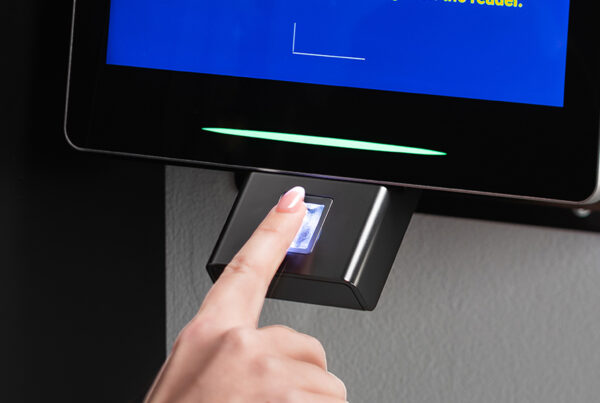
A HandyTrac time and motion study found that a 250 unit property can save about one hour of staff time each day by using a HandyTrac Touch Key Control System. Using a $30 hourly labor rate that includes taxes and benefits, that time savings can amount to more than $5,500 over six months, enough to cover the cost of the system in the same timeframe.

Small Time Savings Create Real Labor Savings
Often, the clearest return comes from the everyday tasks teams perform again and again.
The HandyTrac study found that pulling 30 keys manually takes 60 seconds, compared with just 6 seconds using HandyTrac. Returning 30 keys also takes 60 seconds manually, compared with 6 seconds using the system. Locating 5 keys takes 90 seconds manually, compared with only 4 seconds using HandyTrac. These time differences translate into daily labor savings of $13.50 for pulling keys, $13.50 for returning keys, and $3.58 for locating keys.
Those numbers matter because labor remains one of the largest controllable expenses for both multifamily and senior living operators. Saving time on repeated tasks gives teams more capacity to focus on work that drives results, from resident service to unit turns to leasing support.
Better Efficiency Supports Better Community Performance
When staff can access and return keys quickly, the whole operation runs more smoothly. Maintenance teams can move faster on service requests. Leasing professionals can show units without delays. Managers spend less time resolving key issues and more time leading the property.
That efficiency can have a ripple effect across the community. Faster response times can improve resident satisfaction and better coordination can help reduce delays in turning apartments. Less time spent managing keys means more time spent on the work that directly supports occupancy, retention, and day to day service.

Liability Costs Are Harder to Measure, But Are Equally Important
Time savings are only part of the financial picture. Liability exposure is another major reason a key tracking system matters.
When keys are not properly tracked, communities face greater exposure if a security concern, unauthorized entry claim, or missing key incident occurs. A clear record of who accessed a key, why they needed it, when it was checked out, and when it was returned helps create accountability and supports a stronger response if questions arise later.
For multifamily and senior living communities, that kind of documentation is especially important. Residents, staff, and oftentimes state regulators expect strong access controls. A key tracking system helps support those expectations while reducing the operational and legal risks that can come with poor key management.
Rekeying Costs Can Escalate Quickly
The cost of poor key control goes far beyond the inconvenience of a missing key. If keys are lost or stolen, communities may be forced to rekey multiple units or even an entire building, creating a sudden expense that includes new locks, labor, staff time, and disruption to daily operations. Recently, an Ontario apartment building required a building wide rekeying effort after a stolen master key led to multiple break-ins. After all was said and done, the owner spent $12,000 rekeying just one building.

In addition to the direct expense of replacing locks, teams may need to coordinate entry to occupied units, communicate with residents and families, and respond to concerns about safety and security. The impact can extend far beyond hardware and labor as well, affecting resident trust, reputation, and operational downtime.
Why This Matters for Multifamily and Senior Living
Both multifamily and senior living communities rely on trust. Residents trust that their homes are secure, property teams need dependable systems that help them work efficiently, and ownership groups want technology investments that support operational performance and reduce avoidable costs.
A key tracking system supports all of those priorities by improving control without slowing teams down, helping staff deliver better service, strengthening accountability, saving labor dollars in the short term, and reducing risk over time.
A Smarter Investment for the Bottom Line
A key tracking system is not just a security tool. It is a practical business investment.
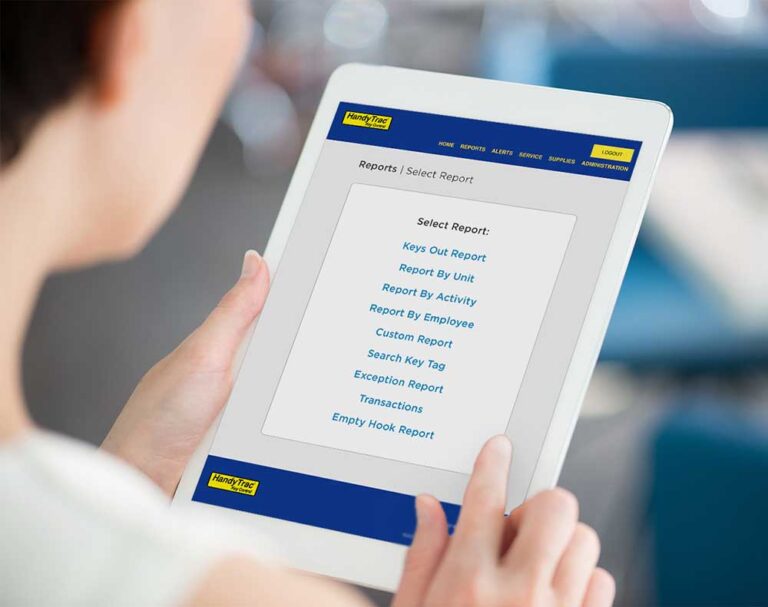
For a 250 unit property, HandyTrac’s time and motion study shows that the labor savings alone can exceed $5,500 in six months. When you add the value of stronger documentation, lower stress, faster access, and reduced liability exposure, the impact becomes even more meaningful.
For multifamily and senior living communities looking for ways to improve operational performance, protect residents, and control costs, better key management is a simple change that can deliver measurable returns.
To learn how a HandyTrac key control system can help your bottom line, contact us today.