
Key management is one of the most important—and often overlooked—parts of running a multifamily property. With hundreds of units, dozens of staff members, vendor visits, and constant resident turnover, keeping keys secure and properly tracked is essential for safety, liability protection, and efficiency.
If you’re wondering how multifamily properties track keys, here’s a clear breakdown of the most common methods used today, along with the pros and cons of each.
Manual Key Logs and Lockboxes (The Traditional Way)
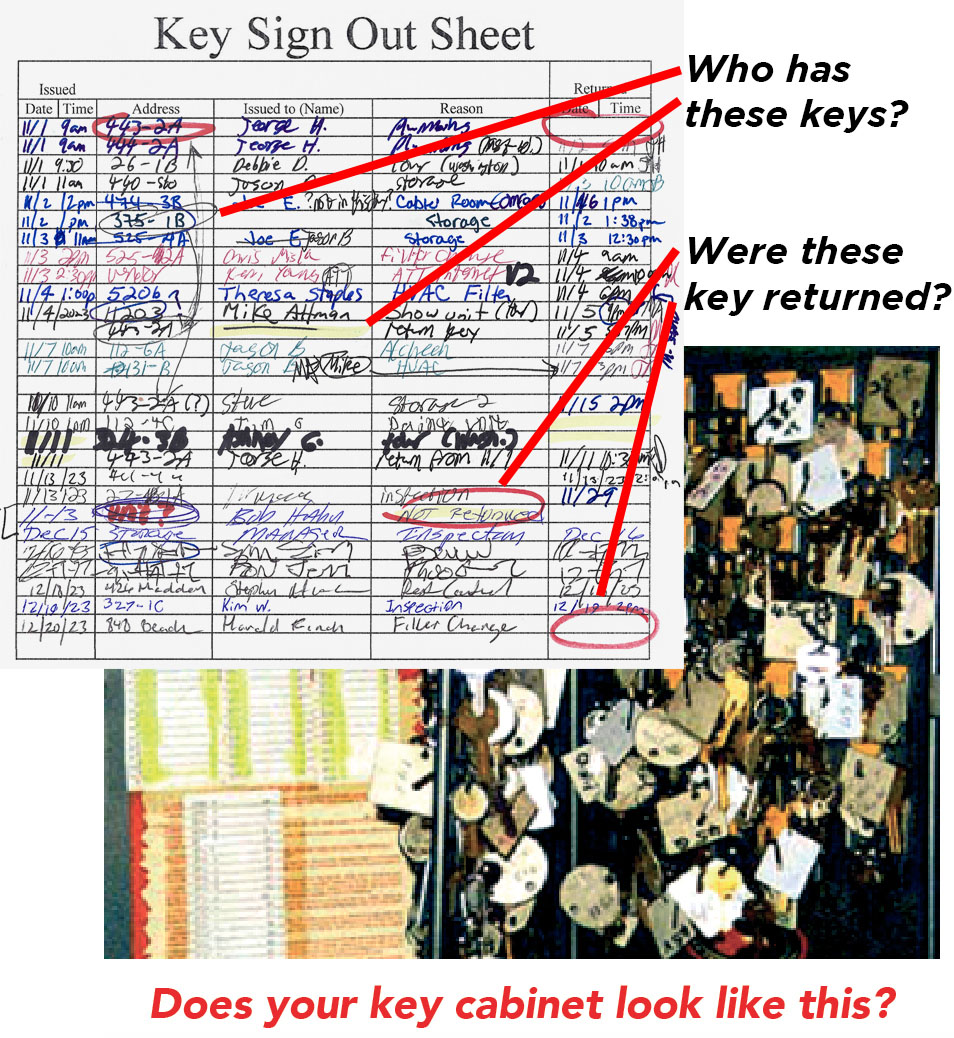
Before electronic systems became common, multifamily properties typically relied on a lockbox or key cabinet, paired with a paper sign-out sheet.
What this method looks like:
-
Keys stored in a basic cabinet
-
Staff write their name, date, and time when taking a key
-
A manager reviews logs manually
Spreadsheets and Basic Digital Logs
Some properties take a step up from paper logs by using shared spreadsheets or digital sign-out forms.
How it works:
-
Staff record key activity on a shared document
-
Keys may still be stored in an unlocked or lightly secured cabinet
Key Tags, Barcodes, and Low-Tech Tracking Tools
Some communities use barcoded tags or basic key identifiers to track who took what.
This option improves classification but still doesn’t solve the biggest risk: unauthorized access.

Electronic Key Control Systems (The Modern Standard)
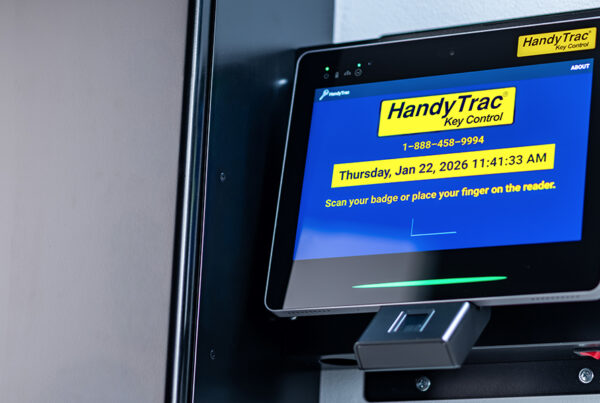
Most professionally managed multifamily properties now rely on electronic key control systems, which securely store keys and automatically track all activity.
How these systems work:
-
Keys are secured inside a locked, electronic cabinet
-
Staff access keys using codes, cards, fobs, or biometric verification
-
The system logs who took each key, when, and why
-
Automatic alerts notify managers when keys are overdue
-
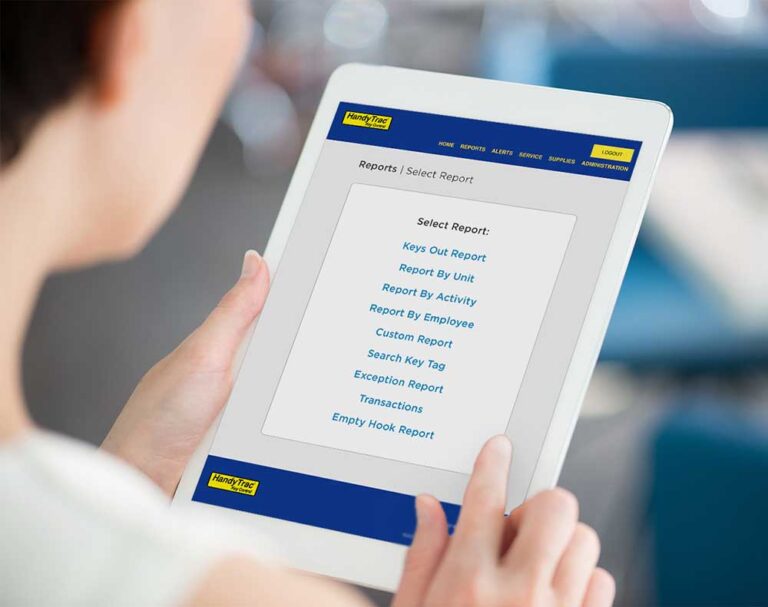
Managers can pull audit trails at any time
Benefits:
-
Strong physical security
-
Accurate, tamper-proof audit trail
-
Automated reporting and accountability
-
Faster workflows for busy teams
-
Supports compliance requirements
-
Reduces liability and risk
This is now the preferred method for multifamily properties, especially in states with stricter safety laws.
Why Strong Key Tracking Matters More Than Ever
Key control is no longer optional for multifamily housing. With increased resident expectations and new laws—such as Miya’s Law in Florida, Nevada, Virginia, and Washington—properties must demonstrate:
-
Who accessed a key
-
When the key was taken
-
Why it was used
-
When it was returned
Without a reliable tracking system, properties face higher liability and reputational risk.
Key Tracking Methods: Comparison Chart
| Key Tracking Method | Pros | Cons |
|---|---|---|
| Manual Key Logs & Lockboxes | – Low upfront cost
– Easy to set up – Minimal training required – Works for small teams |
– No verification of who took a key
– Logs often incomplete/illegible – High risk of lost or unreturned keys – No alerts or automation – Hard to audit during incidents – Not compliant with new safety laws |
| Spreadsheets / Shared Digital Logs | – More organized than paper logs
– Easy to implement – Accessible across devices |
– Still relies on the honor system
– No physical security for keys – Records can be edited or deleted – No real-time alerts or reporting – Still non-compliant with many regulations |
| Key Tags / Barcodes / Low-Tech Tracking Tools | – Helps categorize and organize key sets
– Adds slight structure to key use – Low cost |
– Doesn’t prevent unauthorized access
– No automated logs or alerts – Keys can still be lost or taken unnoticed – Limited usefulness for large properties |
| Electronic Key Control Systems | – Highest level of security
– Verifiable staff access (PIN, card, fingerprint) -Automated audit trails – Real-time reporting and alerts – Supports state compliance (e.g., Miya’s Law) – Faster and more efficient for teams |
– Higher upfront cost than manual systems
– Requires installation and basic training – Relies on consistent cabinet access (power, network for reporting) |
The Bottom Line
Multifamily properties track keys in a variety of ways, but the most effective and secure method is an electronic key control system that provides:
-
Verified staff access
-
Automated logs
-
Secure storage
-
Real-time accountability
Where HandyTrac Fits In
For properties looking to move beyond manual logs or outdated systems, HandyTrac provides secure, user-friendly electronic key control solutions designed specifically for multifamily housing. With audit trails, automated reporting, and compliance-focused features, HandyTrac helps communities manage keys safely and efficiently. Learn more about the HandyTrac products.