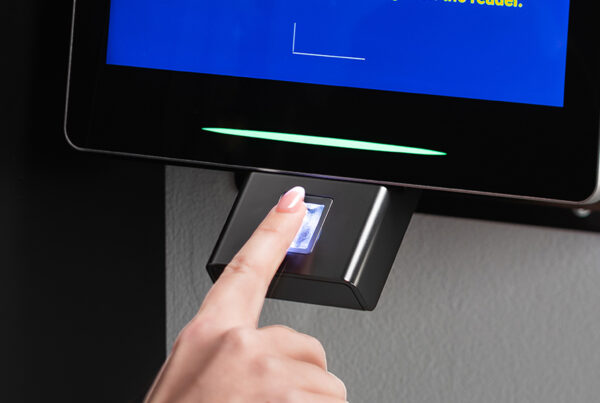
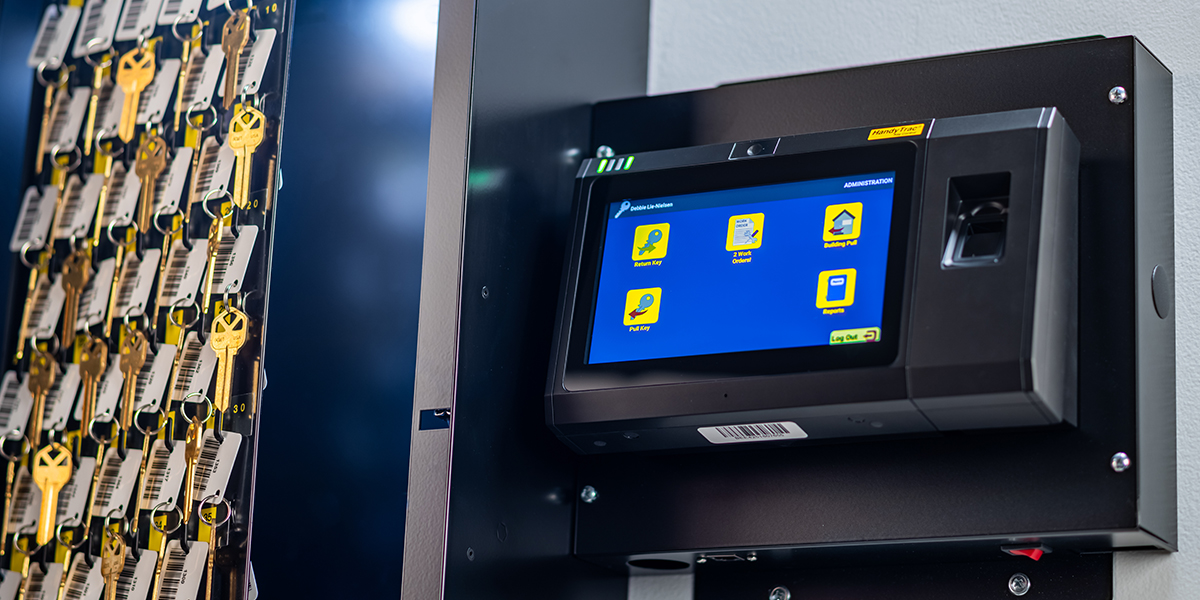
Liability in property management rarely begins with one dramatic moment, it usually grows out of a lack of control. When key access is not clearly documented, small gaps in the process can turn into larger problems, especially when a property needs clear answers after an incident. That’s where electronic key cabinets make a real difference. They bring structure to a part of operations that has long depended on manual habits, and in doing so, they help reduce uncertainty, strengthen accountability, and protect the property when questions arise.

Audit Trails Bring Confidence to the Process
One of the clearest ways electronic key cabinets reduce liability is through the audit trail. Instead of relying on paper logs or verbal updates, every transaction is recorded automatically, creating a clear record of who accessed a key and when. That kind of visibility matters because liability often comes down to what a property can verify, not just what it believes happened.
When a concern comes up, managers need more than a general sense of who may have handled a key. They need a record they can trust. A strong audit trail makes that possible, giving teams the ability to review key activity quickly and respond with confidence rather than guesswork. It also supports a more consistent internal process because staff know key access is tied to individual users and documented in real time.
That level of accountability helps on several fronts. It can reduce preventable mistakes, make internal investigations easier, and support a stronger position when ownership, legal teams, or insurance partners need documentation. In a setting where access control is directly connected to resident trust and operational risk, that clarity carries real value.
Random Rotation Helps Remove Predictability
Another feature that plays an important role in reducing liability is random rotation. HandyTrac uses this technology to change where keys are stored each time they’re returned, so keys no longer remain in familiar locations inside the cabinet. That may seem like a subtle detail, but it solves a very real weakness found in more traditional key control systems.
When people know exactly where a key is always kept, the cabinet becomes more predictable and therefore more vulnerable. Over time, familiar patterns can make access easier for the wrong person, even in an otherwise controlled environment. Random rotation disrupts that pattern, making it much harder for anyone to rely on memory or habit to find a specific key.
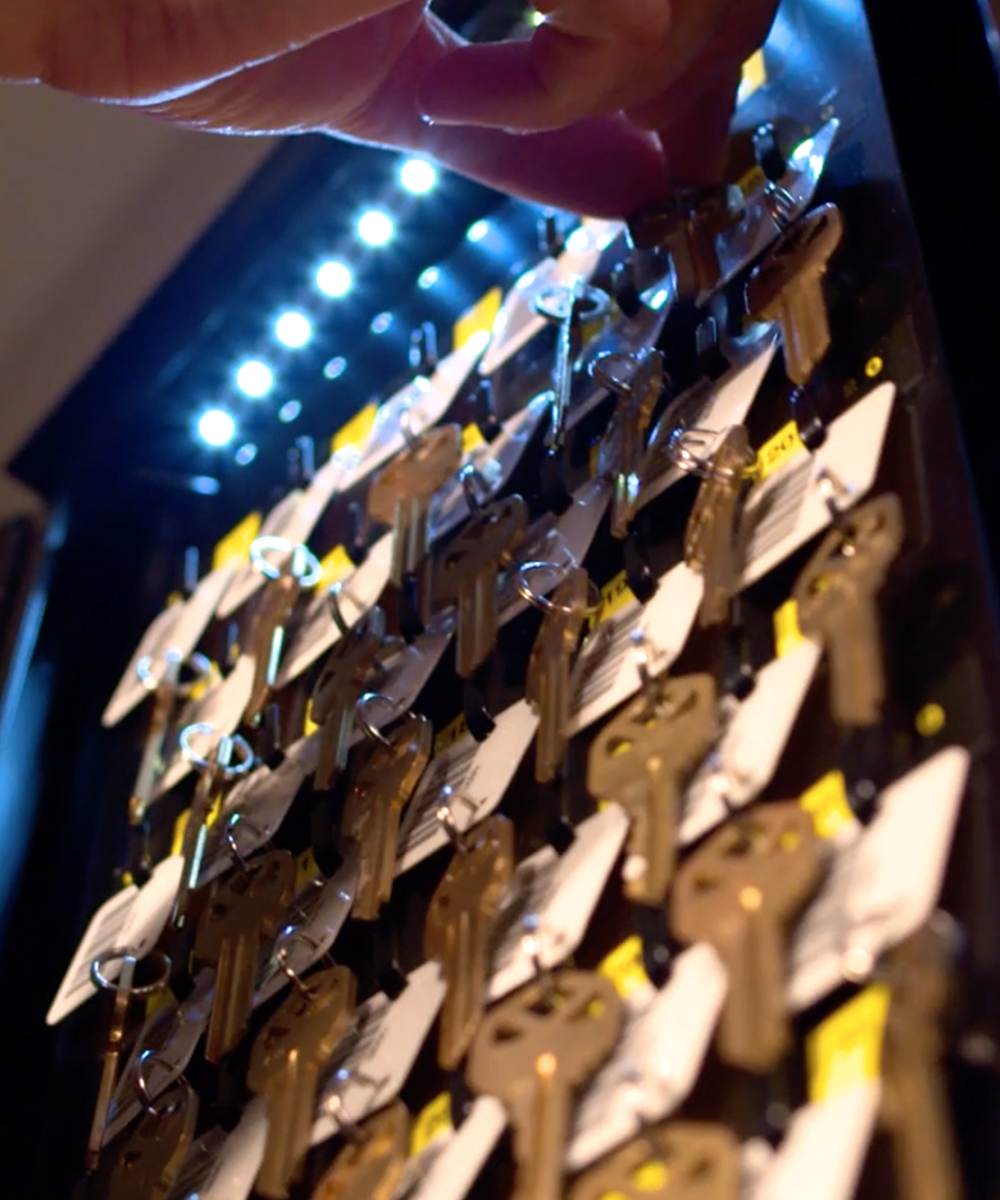
This approach works especially well when it is paired with anonymous key tags. The system can still identify and track each key, but it does not openly advertise what that key is to everyone who sees the cabinet. Together, those features create a more secure environment without making the system harder for authorized staff to use.
Controlled Access Reduces Exposure
Unrestricted access is one of the biggest liabilities in any key management process. If too many people can retrieve keys, or if access is not closely controlled, the property takes on unnecessary risk.
In an industry where annual employee turnover reaches 32.7% overall and 39.2% for onsite maintenance, key access must be easy to assign, track, and revoke the moment responsibilities change. Electronic key cabinets help reduce that exposure by limiting access to authorized users, recording every interaction, and creating a clear audit trail. That added visibility strengthens security while also supporting compliance by showing that key access is controlled and traceable.
Electronic key cabinets make the process easier to manage over time. Access can be assigned based on role, adjusted as responsibilities change, and removed immediately when an employee leaves. That helps prevent outdated permissions from lingering, improves accountability, and makes it easier to enforce key control policies consistently. Instead of relying on informal habits or manual oversight, properties have a more secure, organized system that helps reduce risk before problems arise.
Alerts and Reporting Strengthen Oversight
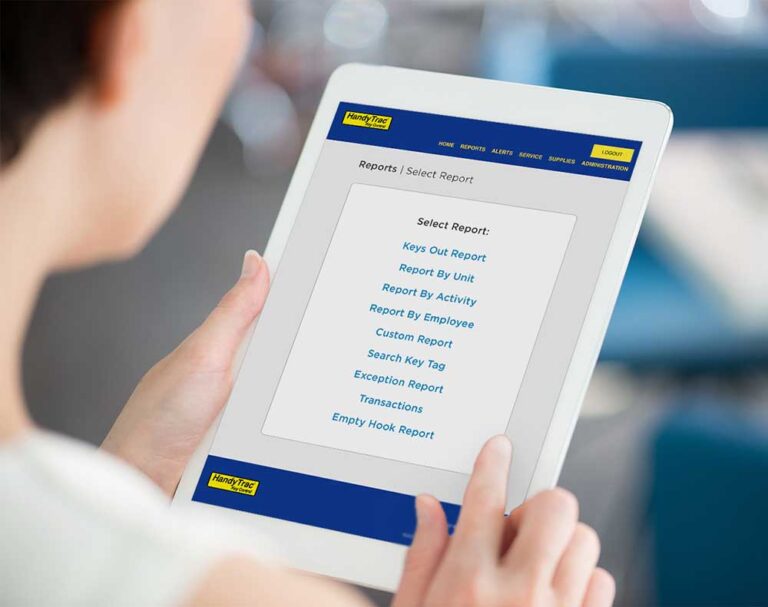
Liability is easier to manage when issues can be identified early, and that is another area where electronic key cabinets provide an advantage. Alerts and reporting tools give managers a clearer view of what is happening with their keys, allowing them to spot problems before they become more serious. A key that remains out too long or a cabinet door left open no longer goes unnoticed.
That kind of immediate visibility can make a meaningful difference in daily operations, but it becomes even more important when a property needs to demonstrate that it has reliable controls in place. Strong reporting helps show that key management is not being handled casually or inconsistently, but through a structured process that can be reviewed and verified.

This is especially valuable for larger organizations or teams managing multiple properties. Instead of depending on scattered notes or local office knowledge, leadership can access a more complete picture of key activity and respond more effectively. Better reporting does not just improve visibility, it helps create stronger habits around oversight, which in turn reduces liability.
Stronger Systems Support Better Habits
One of the most overlooked benefits of electronic key cabinets is the way they improve behavior over time. Manual systems often leave room for shortcuts, especially in busy offices where staff are moving quickly and juggling competing priorities. When the process depends too heavily on memory or extra effort, consistency tends to slip.
A more structured system changes that. It gives staff a clear process to follow, makes accountability part of the workflow, and removes much of the friction that leads to incomplete records or missed steps. In that sense, electronic key cabinets do more than add security, they help create a more disciplined approach to key control across the entire team.
That’s important because liability is rarely reduced by policy alone. It’s reduced when the right process is easy to follow and difficult to ignore. The more consistent the process becomes, the less room there is for confusion, error, or preventable risk.
Why This Matters for Multifamily Properties
In multifamily communities, keys are tied directly to resident safety, staff responsibility, and daily operational trust. For that reason, key control is more than an administrative task; it’s a risk management priority. Electronic key cabinets support that priority with stronger records, tighter access control, and features like random rotation that close off common vulnerabilities.
When a property can clearly track key activity, reduce predictability, and maintain oversight through reporting and alerts, the team is in a much better position to limit liability. The value goes beyond storing keys more securely. A stronger system creates a process that holds up under scrutiny. For teams seeking better protection and greater confidence in daily operations, that level of control is hard to overlook.

Ready to strengthen key control and reduce risk across your community? Contact us today or check out our solutions.