
How access control, CMS guidance, and state regulations shape safer assisted living communities.
Senior living communities are responsible for protecting some of the most vulnerable members of society. Families trust providers to deliver safe environments. Residents trust staff to respect their privacy and dignity. Operators trust their internal systems to maintain accountability.
One of the most important components of senior living security and assisted living compliance is access control. Knowing who has access to resident rooms, medication areas, maintenance spaces, and restricted locations plays a critical role in incident prevention, regulatory readiness, and resident protection.
While there is no federal mandate requiring specific key management systems for assisted living facilities, federal guidance from CMS, workplace safety expectations aligned with OSHA, privacy standards connected to HIPAA, and accessibility and fairness principles reflected in the ADA and Fair Housing Act all reinforce the importance of controlled, documented access.
State regulations across the country build on these expectations, creating a clear national trend toward stronger accountability and structured key control.
Why senior living security and access control matter for compliance
Senior living communities operate in a highly regulated environment. Compliance requirements emphasize safety, supervision, incident response, and documentation.
CMS guidance emphasizes incident prevention and response. Assisted living communities must identify risks, investigate incidents, and demonstrate corrective action when safety concerns arise. Access control systems support these expectations by providing clear records of staff movement and access activity.

HIPAA privacy expectations indirectly reinforce physical access accountability. While HIPAA focuses on protecting health information, controlling and documenting access to medication rooms, records storage, and administrative areas helps demonstrate responsible operational practices.
OSHA workplace safety principles emphasize limiting unauthorized access to hazardous or restricted areas such as maintenance rooms, chemical storage, and equipment spaces. Controlled key management helps reduce risk and improve workplace safety.
The ADA encourages role appropriate access rather than blanket restrictions, ensuring staff can perform their duties while maintaining safe environments.
The Fair Housing Act reinforces the importance of applying access policies consistently and fairly across residents and staff, helping reduce liability and promote equitable treatment.
Together, these frameworks establish a strong expectation that senior living communities maintain clear control and accountability over physical access.
How assisted living regulations by state reinforce access accountability
Every state licenses assisted living facilities and establishes safety and operational requirements. Although the details vary, the core expectations remain consistent nationwide.
- Facilities must protect residents from harm
- They must supervise staff and control access to sensitive areas
- They must investigate incidents and maintain documentation
- They must demonstrate compliance during inspections
- They must maintain safe environments for residents and staff
Structured key control systems directly support these requirements.
Southeast assisted living security expectations
States across the Southeast, including Florida, Virginia, Georgia, and North Carolina, emphasize incident reporting, supervision, and resident protection.
Florida assisted living regulations require prompt incident reporting, internal risk management, and clear safety procedures. Access tracking helps communities document activity and support incident investigations, aligning with CMS expectations for incident response and corrective action.

Virginia assisted living compliance requirements emphasize continuous supervision and operational accountability. Maintaining clear access records helps demonstrate staff responsibility and operational control.
Across the Southeast, communities benefit from having documented access activity that supports regulatory readiness and resident safety.
Northeast assisted living compliance and security trends
States such as New York, Massachusetts, Pennsylvania, and Maine focus heavily on inspection readiness, documentation, and operational transparency.
Communities must demonstrate compliance with safety standards, maintain supervision practices, and protect resident wellbeing.
Access control systems help provide clear documentation that supports compliance with CMS incident response expectations, workplace safety practices aligned with OSHA, and operational accountability standards.

This level of transparency helps communities respond confidently to inspections, audits, and regulatory reviews.
Midwest senior living security and operational accountability
Midwestern states such as Illinois, Ohio, Michigan, and Minnesota emphasize supervision, safety, and incident prevention.
Facilities must demonstrate that staff access is appropriate, residents are protected, and safety procedures are followed consistently.
Role based key access supports ADA principles by ensuring staff can perform their responsibilities while limiting unnecessary access to sensitive areas.

Consistent access policies also support Fair Housing Act expectations by applying security practices uniformly.
Western states and inspection readiness expectations
Western states including Washington, Nevada, California, and Arizona emphasize licensing compliance, inspection readiness, and operational accountability.
Washington assisted living regulations include regular inspections and enforcement actions when safety standards are not met. Access documentation helps demonstrate operational discipline and regulatory compliance.
Nevada assisted living facilities must maintain clear documentation, respond to complaints, and demonstrate adherence to licensing standards.

Controlled access systems help communities maintain records that support investigations, inspections, and compliance reviews.
These practices also support HIPAA related operational safeguards by documenting access to sensitive areas.
Southwest and Mountain region safety expectations
States such as Texas, Colorado, Utah, and New Mexico emphasize supervision, workplace safety, and incident prevention.
Limiting unauthorized access to maintenance areas, equipment rooms, and hazardous spaces aligns with OSHA workplace safety expectations and helps reduce risk.
Documented key access helps communities demonstrate operational oversight and protect both residents and staff.

How key control systems support assisted living compliance nationwide
Across all states, assisted living communities are expected to maintain safe environments, respond to incidents, and demonstrate accountability.
Key control and access management systems support these goals by providing:
Clear audit trails
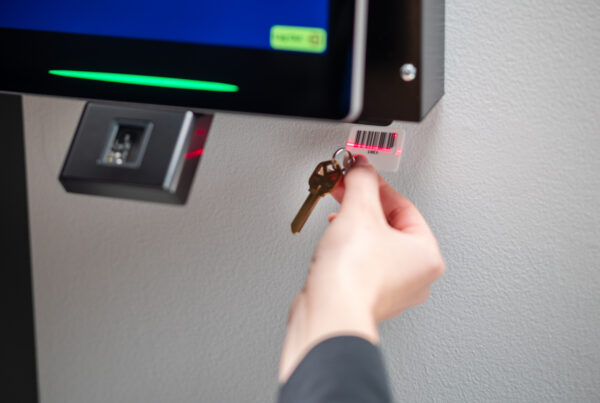
Communities can document who accessed keys, when access occurred, and why access was granted. This supports CMS incident response expectations and regulatory investigations.
Role appropriate access control
Staff access can be limited to areas relevant to their responsibilities, supporting ADA accessibility principles and workplace safety expectations aligned with OSHA.
Consistent and fair access policies
Uniform key management practices help support Fair Housing Act principles and reduce liability risk.
Operational transparency
Access records help demonstrate accountability and support compliance reviews.
Support for privacy and sensitive areas
Access tracking helps demonstrate responsible operational practices connected to HIPAA privacy safeguards.
Improved resident safety
Limiting unauthorized access helps protect residents and sensitive areas throughout the community.
Why assisted living communities are strengthening access control
Senior living regulations across the United States continue to emphasize incident prevention, accountability, workplace safety, and resident protection.
CMS guidance, workplace safety principles, privacy expectations, accessibility requirements, and state licensing regulations all reinforce the importance of structured access control.
While there is no federal mandate specifically requiring key management systems, the regulatory environment clearly supports strong access accountability as a best practice.
Communities that implement structured key control solutions are better positioned to:
- Protect residents
- Improve staff accountability
- Strengthen compliance readiness
- Support incident investigations
- Demonstrate operational excellence
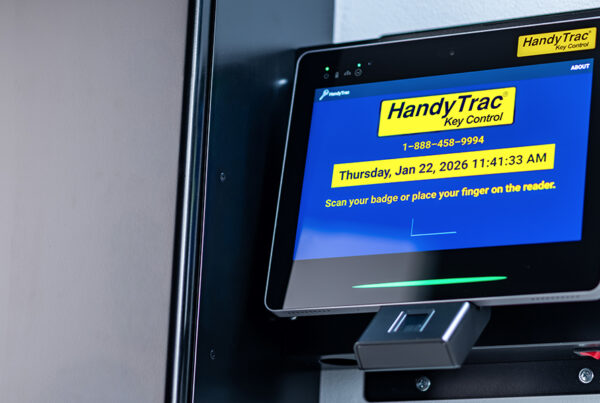
How HandyTrac supports senior living security and compliance
HandyTrac helps assisted living communities strengthen security, improve accountability, and support compliance across all states.
HandyTrac provides:
- Controlled key access based on staff roles
- Clear audit trails that support incident investigations
- Improved operational efficiency
- Stronger regulatory readiness
- Enhanced resident protection
With increasing focus on senior living security and assisted living compliance, structured key management is becoming an essential component of modern senior living operations.