
Running a multifamily community today comes with clear legal responsibilities that continue to evolve. In Washington, the Residential Landlord Tenant Act outlines expectations around resident notice, access to units, and day to day operational accountability. But these requirements are not isolated to one state. Similar tenant focused legislation is gaining momentum across the country, signaling a wider shift toward greater transparency, documentation, and resident safety in multifamily housing. For property owners and managers everywhere, staying compliant is no longer just about meeting current rules. It is about preparing for what is coming next.
What Washington’s Residential Landlord Tenant Act Requires
Washington’s Residential Landlord Tenant Act establishes the legal framework that governs most residential rental housing across the state. Its purpose is to clearly define the rights and responsibilities of both landlords and residents, while setting standards intended to protect safety, fairness, and accountability.
Key areas addressed by the Act include:
Resident notice and entry requirements
Landlords must provide proper advance notice before entering a unit, except in limited emergency situations. This reinforces resident privacy while ensuring property teams follow consistent, documented procedures.

Maintenance and habitability standards
Property owners are required to maintain habitable living conditions, including functioning plumbing, heating, and essential utilities. Once written notice is received, repairs must be addressed within defined timelines.
Security deposits and documentation
Deposits must be held in trust accounts, receipts must be provided, and itemized statements are required when deposits are returned. Clear documentation is not optional. It is a legal expectation.
Evictions and tenant protections
Evictions must follow strict legal processes and timelines. Retaliatory actions or unsafe practices can expose owners and managers to penalties and legal challenges.
Taken together, these requirements emphasize a consistent theme. Transparency and documentation are essential parts of compliance, not administrative extras.
A Broader Trend Beyond Washington
While Washington’s Residential Landlord Tenant Act sets a strong baseline, other states are pushing tenant safety requirements even further. One of the most well known examples is Miya’s Law, originally enacted in Florida and later adopted in Nevada.
Miya’s Law focuses on accountability related to unit access. It requires background checks for employees who enter resident units, stronger documentation of key and access activity, and clearer communication with residents around maintenance visits.
Although each state’s legislation is different, the direction is consistent. Lawmakers are increasingly focused on how access to resident homes is managed, tracked, and communicated. This trend suggests that more states will continue adopting similar measures in the future.
For multifamily community owners and managers, this means compliance expectations are rising nationwide, not just in one or two states.
Why This Matters for Multifamily Communities Everywhere
Even if certain requirements are not yet mandated in every state, expectations from residents, regulators, and legal systems are moving in the same direction. Property teams are being asked to demonstrate that access to units is controlled, staff responsibilities are documented, and resident safety is taken seriously.
Communities that rely on informal processes or manual tracking systems may find it harder to adapt as legislation evolves. Those that invest early in stronger operational controls are better positioned to stay compliant, protect residents, and reduce risk.
How HandyTrac Supports Compliance and Accountability
HandyTrac helps multifamily communities align daily operations with the compliance standards reflected in Washington’s tenant laws and emerging tenant safety legislation nationwide.
Secure access and key control
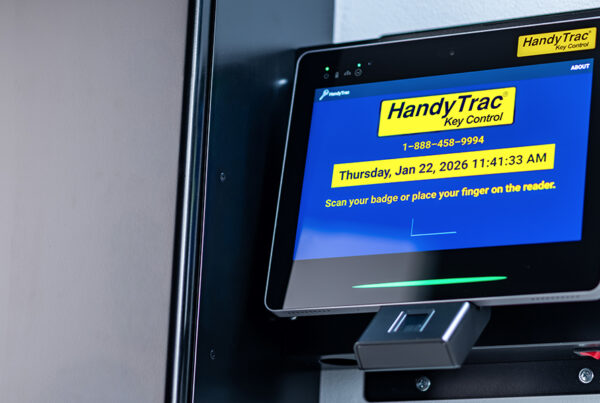
HandyTrac provides digital tracking of keys and access events, creating clear audit trails that support compliance with entry requirements and accountability expectations.
Staff visibility and responsibility
Access permissions can be tied to authorized personnel, helping property teams demonstrate responsible access management and operational oversight.
Documented processes
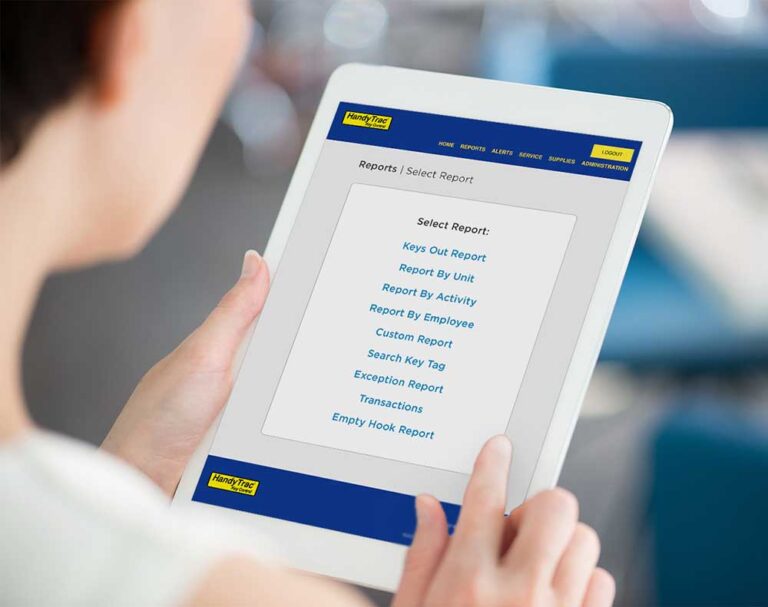
By centralizing access activity and reporting, HandyTrac helps property managers maintain records that support compliance reviews, audits, and resident inquiries.
Future ready operations
As more states consider tenant focused legislation similar to Miya’s Law, HandyTrac helps communities stay prepared for evolving requirements without overhauling systems later.

Preparing for What Comes Next
Washington’s Residential Landlord Tenant Act reflects a broader shift in how multifamily housing is regulated and managed. Laws like Miya’s Law reinforce that this is not a one time change, but part of a national movement toward greater transparency, safety, and accountability.
For multifamily communities, compliance is no longer just about following today’s rules. It is about building systems that can adapt as expectations continue to change. HandyTrac helps multifamily communities do exactly that by providing the visibility, documentation, and accountability needed to support compliant access management.
To learn how HandyTrac can help your community prepare for evolving tenant safety requirements, contact us today.