
Multifamily security in 2026 is no longer limited to locks and cameras. Today’s communities face a wider range of risks, from physical intrusions and package theft to data exposure and compliance pressure. At the same time, residents expect more transparency, stronger protections, and visible safety measures.
The most successful multifamily operators are responding with layered security programs that combine physical safeguards, smart technology, consistent policies, and clear accountability.
To start you off on the right foot this new year, here are some top multifamily security tips for 2026 that property owners, managers, and developers can use to strengthen protection across their communities, while preparing for evolving legislation and resident expectations.
1. Begin with a comprehensive multifamily security assessment
Every effective multifamily security strategy starts with understanding where vulnerabilities exist.
In 2026, leading properties are conducting regular assessments that review:
- Building entry points, lighting coverage, and visibility
- Surveillance placement and monitoring practices
- Staff and vendor access procedures
- Incident history and response patterns
- Technology exposure across connected systems
Security assessments help communities prioritize investments, address weak points early, and build a long term safety plan instead of reacting after incidents occur.
2. Use a layered multifamily security approach
Modern multifamily security is most effective when multiple protective measures work together.
A layered approach typically includes:
- Perimeter controls such as lighting, controlled entry points, and gated access
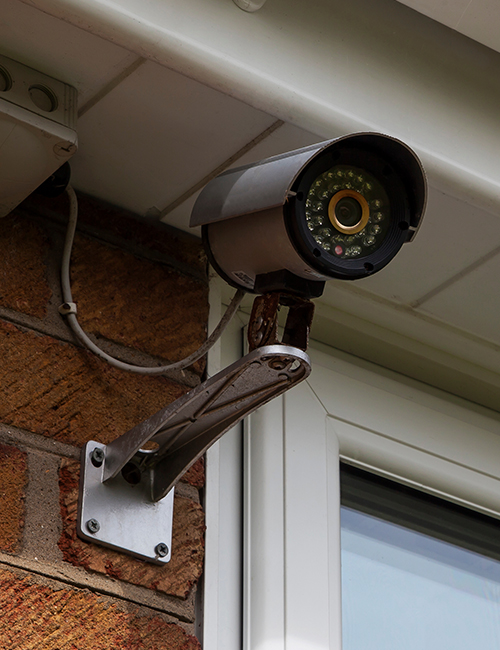
- Surveillance systems for common areas, garages, package rooms, and amenities
- Access control across residential, operational, and restricted spaces
- Documented staff procedures and monitoring protocols
Layered protection improves deterrence, limits unauthorized movement, and strengthens incident response capabilities.
3. Design communities with safety built in
Property design plays a major role in multifamily security.
Crime Prevention Through Environmental Design principles continue to influence how communities approach safety in 2026. These include:
- Maintaining clear sightlines across walkways and gathering areas
- Using lighting to reduce shadows and concealment opportunities
- Designing landscapes that support visibility rather than isolation
- Encouraging natural observation through thoughtful amenity placement
Well designed environments discourage unwanted behavior while making communities feel more open, active, and secure.
4. Prioritize resident communication and transparency
Multifamily security depends as much on people as it does on technology.
Strong communities are placing greater emphasis on:
- Clear communication around access policies and entry procedures
- Simple ways for residents to report concerns
- Consistent follow up when incidents occur
- Ongoing education around safety programs
When residents understand how their community approaches security, they are more likely to participate, report issues early, and feel confident in property management.

5. Modernize security technology with integration in mind
In 2026, multifamily operators are focusing less on standalone systems and more on connected platforms.
Security technology trends include:
- Smart surveillance systems with alerts and activity recognition
- Centralized cloud based monitoring tools
- Credentialed access solutions for residents, staff, and vendors
- Mobile platforms that support faster response and documentation
Integrated technology improves oversight, simplifies reporting, and reduces blind spots across properties.
6. Strengthen digital security alongside physical protection
As multifamily communities continue to adopt connected systems, protecting digital infrastructure has become just as important as securing physical spaces.
Communities should be implementing:
- Strong login and authentication practices
- Role based access permissions
- Clear onboarding and off-boarding protocols
- Vendor standards for system security
Protecting building systems, resident platforms, and operational tools is now just as important as protecting doors and spaces.

7. Build security into daily workflows and accountability
Security systems only succeed when daily behavior supports them.
In 2026, properties are refining workflows around:
- Staff and vendor access authorization
- Documentation of restricted area entry
- Incident reporting and escalation procedures
- Ongoing team training
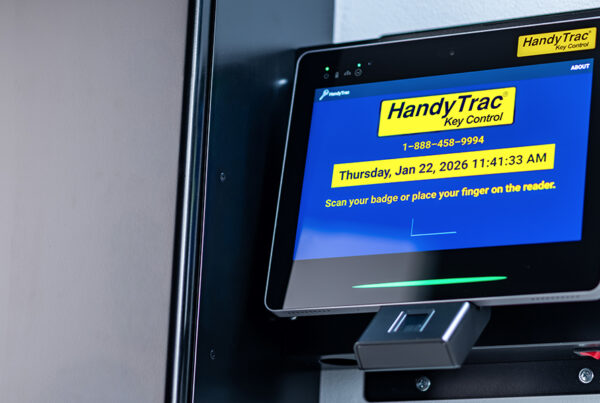
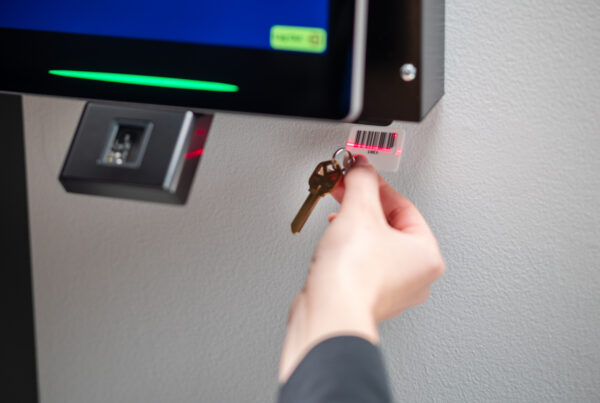
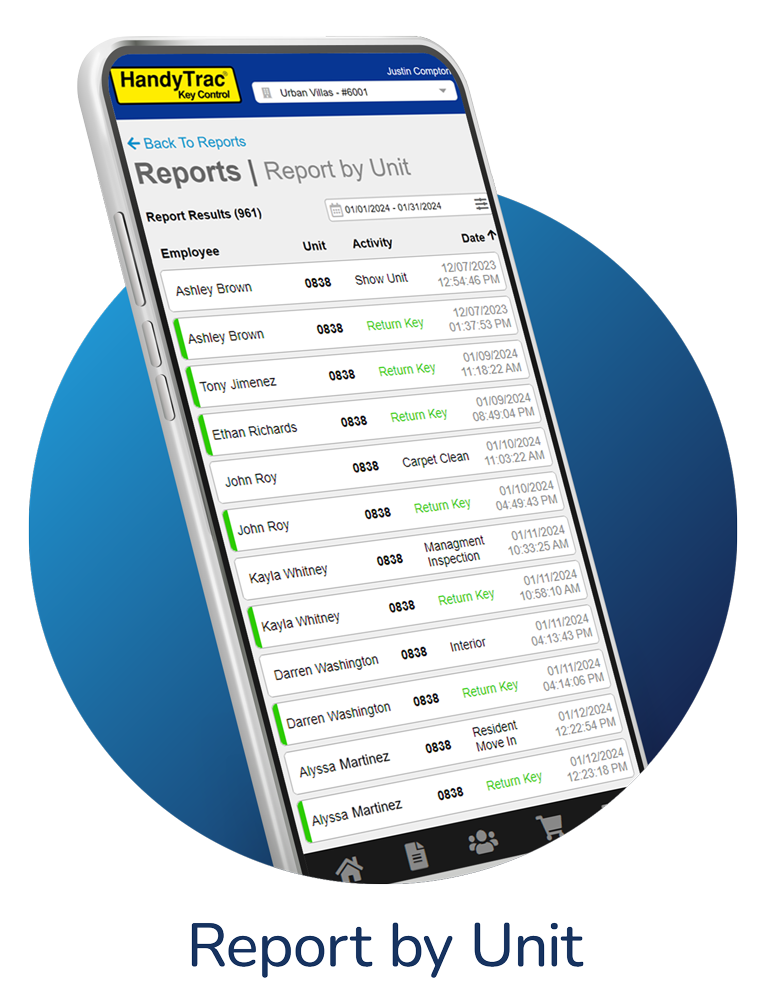
This is where HandyTrac fits naturally into a broader multifamily security strategy. HandyTrac supports accountability by helping communities track access activity, maintain documentation, and strengthen operational visibility. These capabilities support both day to day security management and long term compliance needs.
8. Prepare for new multifamily security legislation
Following the direction of Miya’s Law, more states are introducing multifamily legislation focused on resident safety, employee screening, access oversight, and documentation.
Even where formal requirements are not yet in place, multifamily operators are proactively strengthening security programs to:
- Reduce liability
- Improve portfolio wide consistency
- Increase resident confidence
- Simplify compliance as new laws emerge
HandyTrac helps support this trend by enabling properties to maintain reliable access records and accountability processes that align with modern regulatory expectations.
9. Make multifamily security audits routine
Ongoing review is now a defining feature of effective multifamily security programs.
Best practices in 2026 include:
- Weekly reviews of system activity and exceptions
- Monthly evaluations of access permissions and procedures
- Quarterly testing of equipment and response plans
- Annual reassessments based on new technology and legislation
Routine audits help prevent small issues from becoming major incidents and reinforce security as an operational priority.
Feeling overwhelmed? We’ve got you covered! Download our 2026 Multifamily Security Readiness Checklist and start improving community security at your own pace.
Multifamily security in 2026 requires a broader view
As expectations rise and legislation continues to evolve, communities that invest in comprehensive, measurable security strategies will be better positioned to protect residents, support staff, and maintain trust.
Contact us today to see how our solutions help multifamily communities strengthen security, improve accountability, and support compliance with today’s safety expectations.