Strong property security doesn’t stop at locks and cameras. It also depends on knowing where every key is, who has it, and why it was used. For residential property teams, that level of visibility matters.
When keys are not properly secured, tracked, or documented, property teams can face more than day-to-day operational challenges. Unmanaged keys can create gaps that affect resident safety, staff accountability, operational consistency, and premises liability risk.
A strong key control process helps property owners, operators, and management teams document who accessed a key, when it was removed and returned, and why it was needed. Whether you’re managing a conventional apartment community, student housing property, senior living facility, military housing community, or another residential environment, visibility can play an important role in reducing preventable risks and showing that property access is being managed responsibly.

What Is Premises Liability?
Premises liability generally refers to a property owner’s or operator’s responsibility to maintain reasonably safe conditions for residents, guests, employees, vendors, and others on the property.
In residential housing, premises liability concerns may involve common areas, locks, lighting, access points, maintenance practices, security procedures, and documentation. While requirements vary by state and property type, many claims center on whether the owner or operator took reasonable steps to address known or foreseeable risks. That makes key control an important part of the conversation.
When a property team holds unit, maintenance, office, amenity, or vendor keys, they are also responsible for managing access to sensitive areas. If a key is missing, misused, copied, left unsecured, or checked out without a reliable record, it can create serious questions after an incident.
Why Key Control Matters for Residential Property Risk
Residential properties, including multifamily communities, senior living facilities, student housing, and military housing, operate on trust. In each of these environments, keys are directly tied to safety, privacy, and accountability.
A key control system helps property teams answer critical questions, including:
- Who removed the key?
- When was the key removed?
- When was it returned?
- Why was it needed?
- Was the key overdue or missing?
- Was access limited to approved employees or vendors?
Without those answers, property teams may be left relying on memory, assumptions, or incomplete paper logs. That can make it harder to investigate resident concerns, identify process gaps, or demonstrate that access procedures were followed.
Recent Data Shows Safety Is a Growing Priority
Resident safety continues to be a major concern across housing environments. A 2024 renter safety survey shared by the National Apartment Association found that 71% of renters believe management should do more to provide a safer environment. The same survey found that 28% of participants lived in apartments without any existing security solutions, while 60% reported that they did not feel very safe in their apartment complex.
Security also affects retention. Zego survey data highlighted by the National Apartment Association found that security issues ranked among the top three reasons renters said they may not renew their leases. Renters also ranked community security as the second most important aspect of the apartment living experience, behind maintenance and repairs.
For property owners and operators, these numbers point to an important reality: safety is not only a resident concern. It is also connected to reputation, retention, risk management, and long-term property performance.

Key Control Supports Stronger Access Documentation
Documentation is one of the most important ways key control can help reduce premises liability risk.
A property may have key policies in place, but policies are only as strong as the process behind them. If a team cannot show when a key was removed, who used it, or whether it was returned, it becomes harder to prove that access was managed consistently.
This is especially important in situations involving:
- Resident complaints about unauthorized entry
- Missing or overdue keys
- Vendor access to units or common areas
- Maintenance entry into occupied spaces
- Turnover periods in student housing
- Staff access in senior living residences
- Shared amenities, offices, or storage areas
- Emergency access situations
- High-volume move-in and move-out periods
A documented key control process helps create a clearer access history. That record can support internal investigations, improve staff accountability, and help leadership respond more confidently when questions arise.
Manual Key Logs Can Leave Gaps
Many properties still rely on handwritten key logs, spreadsheets, or basic lockboxes. While these systems may seem simple, they can create a litany of documentation issues.
Paper logs can be incomplete, difficult to read, or easy to skip. Spreadsheets may not reflect real-time activity, and unsecured key cabinets can leave keys vulnerable to unauthorized access. In busy residential environments, especially during move-in season, maintenance rushes, or staff changes, manual processes can quickly break down.
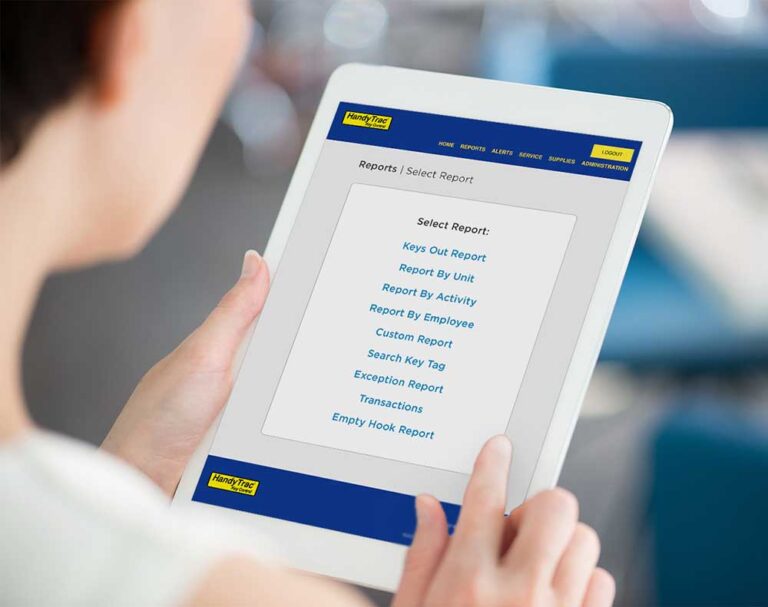
Electronic key control helps reduce those risks by creating a more reliable audit trail. Instead of depending on employees to remember every step, the system helps document key activity as it happens.
For property teams, that can mean fewer unknowns, faster answers, and better visibility into how keys are being used.
Premises Liability and Rising Insurance Pressure
Premises liability is one part of a much broader risk environment. At the same time, property operators are facing rising insurance costs and greater scrutiny around safety, documentation, and internal procedures.
Federal Reserve research found that multifamily property insurance costs increased considerably between 2019 and 2024, with average monthly costs rising from $39 per unit to $68 per unit.
A key control system should not be viewed as a way to lower insurance premiums, nor is it a replacement for insurance, legal guidance, staff training, or broader security measures. Its role is to help properties strengthen day-to-day access management by documenting key activity, improving accountability, and identifying gaps in internal processes.
In an environment where risk and documentation both matter, better key management can help reduce the unnecessary exposure created by untracked or unmanaged access.

State Requirements Are Also Evolving
Security expectations are also changing at the state level, with more attention being placed on how residential properties manage access, documentation, and resident safety.
For example, Miya’s Law was enacted in Florida to strengthen tenant protections and address safety gaps in rental housing communities. The law places greater emphasis on accountability around property access, including background screenings for apartment employees who have access to residential units, documentation of key access activity, and advance notice before staff enter a resident’s home.
While Miya’s Law began in Florida, its impact has extended beyond state lines, with other states introducing similar legislation inspired by Miya Marcano’s story. For property teams, this reflects a broader industry shift. Key tracking, access documentation, resident communication, training, and security procedures are becoming increasingly important parts of safer, more accountable housing operations.
Requirements vary by state and property type, and property teams should always consult legal counsel for specific guidance. However, Miya’s Law shows why strong documentation and consistent access procedures matter in residential property risk management.
Key control supports that effort by helping teams document who accessed keys, when they were removed, when they were returned, and why they were used.
How Key Control Helps Different Residential Property Types
Key control is not limited to conventional apartment communities. Any property environment that manages physical keys can benefit from stronger access accountability.
In multifamily communities, key control can help teams manage unit keys, amenity access, maintenance entry, and vendor activity.
In student housing, key control can support high-volume move-ins, move-outs, room changes, maintenance requests, and staff access across multiple buildings or units.
In senior living facilities, key control can help protect resident spaces, staff areas, medication rooms, offices, maintenance areas, and other sensitive locations where access should be carefully managed.
In military housing, key control can support accountability across residential units, administrative spaces, maintenance operations, and shared community facilities.
In manufactured housing and other residential properties, key control can help create consistent access procedures across dispersed homes, offices, storage areas, and shared amenities.
Across all of these environments, the goal is the same: know where keys are, know who has them, and create a dependable record of key activity.
How Key Control Can Help Reduce Premises Liability Risk
A strong key control system can help property teams:
- Improve accountability by tracking who removed each key and when.
- Reduce unauthorized access by limiting key availability to approved users.
- Strengthen investigations by providing a clear history of key activity.
- Support policy compliance by encouraging consistent staff procedures.
- Protect residents, employees, and vendors by reducing risks tied to misplaced or unsecured keys.
- Improve operational visibility across units, offices, amenities, and maintenance spaces.
- Create stronger records that may help demonstrate responsible property management practices.
The goal is not to claim that key control prevents every incident or eliminates liability. The goal is to reduce preventable access gaps, strengthen documentation, and help property teams show that access is being managed in a responsible and consistent way.

Take Control of Property Access With HandyTrac
HandyTrac helps residential property teams strengthen key control with secure, documented access management. With clear audit trails and improved accountability, properties can better protect residents, support staff procedures, and manage keys with greater confidence.
Whether you manage multifamily housing, student housing, senior living, military housing, manufactured housing, or another residential property environment, HandyTrac can help you create a stronger process for controlling and documenting key access.
Contact HandyTrac today to learn how electronic key control can support a safer, more accountable property environment.