Managing physical keys may seem simple at first, but for apartment communities, senior living operators, student housing properties, and commercial facilities, key management quickly becomes a major operational responsibility.
Every day, maintenance teams, leasing staff, vendors, and property managers may access keys for apartments, amenities, storage rooms, offices, and restricted areas. Without a structured process in place, properties can face lost keys, delayed operations, security concerns, and reduced accountability.
That’s where key control comes in.
What Is Key Control?
Key control is the process of tracking, securing, managing, and monitoring physical keys within an organization.
A key control system helps properties answer important operational questions such as:
- Who currently has a key?
- When was the key checked out?
- Why was the key removed?
- When was it returned?
- Which apartment, office, or building does the key access?
The purpose of key control is to improve accountability while helping organizations reduce unauthorized access, lost keys, and operational confusion.
Key control systems are commonly used in:
- Multifamily apartment communities
- Senior living communities
- Student housing
- Commercial buildings
- Schools and universities
- Healthcare facilities
- Hospitality properties
Any organization managing multiple physical keys can benefit from a structured key control process.
Why Is Key Control Important?
Physical keys often provide access to sensitive spaces, including occupied apartments, vacant units, maintenance rooms, offices, and master key systems.
Without proper key tracking, organizations may experience:
- Lost or misplaced keys
- Unauthorized property access
- Delayed maintenance response times
- Difficulty identifying who accessed a unit
- Increased liability concerns
- Time wasted searching for keys
- Inconsistent employee procedures
For property management teams, even a single missing key can create operational disruptions and resident concerns.
A strong key control process helps improve visibility into key activity while supporting more consistent daily operations.
Common Types of Key Control Systems
Organizations use several different methods to manage keys. Each option offers varying levels of security, accountability, and reporting capabilities.
Manual Key Tracking
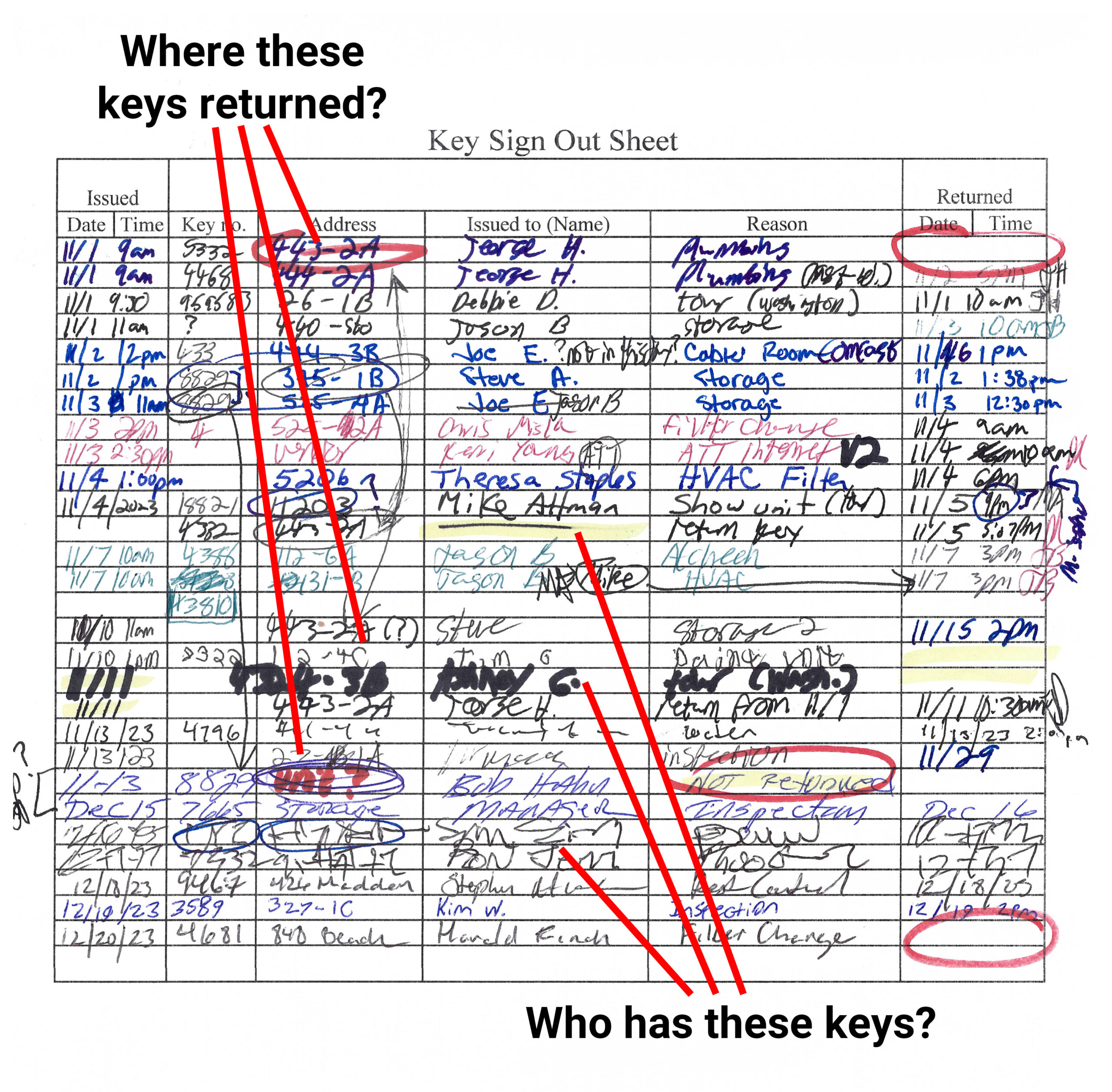
Some properties still rely on paper sign-out sheets, spreadsheets, or handwritten logs to track keys.
Manual systems are inexpensive but may create challenges such as:
- Human error
- Incomplete records
- Limited visibility
- Missing sign-outs
- Difficulty reviewing historical activity
While manual tracking may work for smaller operations, it often becomes harder to manage as properties grow.
Lockboxes and Traditional Key Cabinets
Lockboxes and pegboard-style cabinets physically organize keys while requiring employees to manually record activity.
Benefits may include:
- Simple organization
- Lower upfront costs
- Familiar processes
However, traditional cabinets may lack:
- Real-time reporting
- Automated audit trails
- Employee-specific accountability
- Alerts for overdue keys
- Secure user authentication
For properties with frequent maintenance activity or large staff teams, manual cabinets can become difficult to monitor consistently.
Electronic Key Control Systems
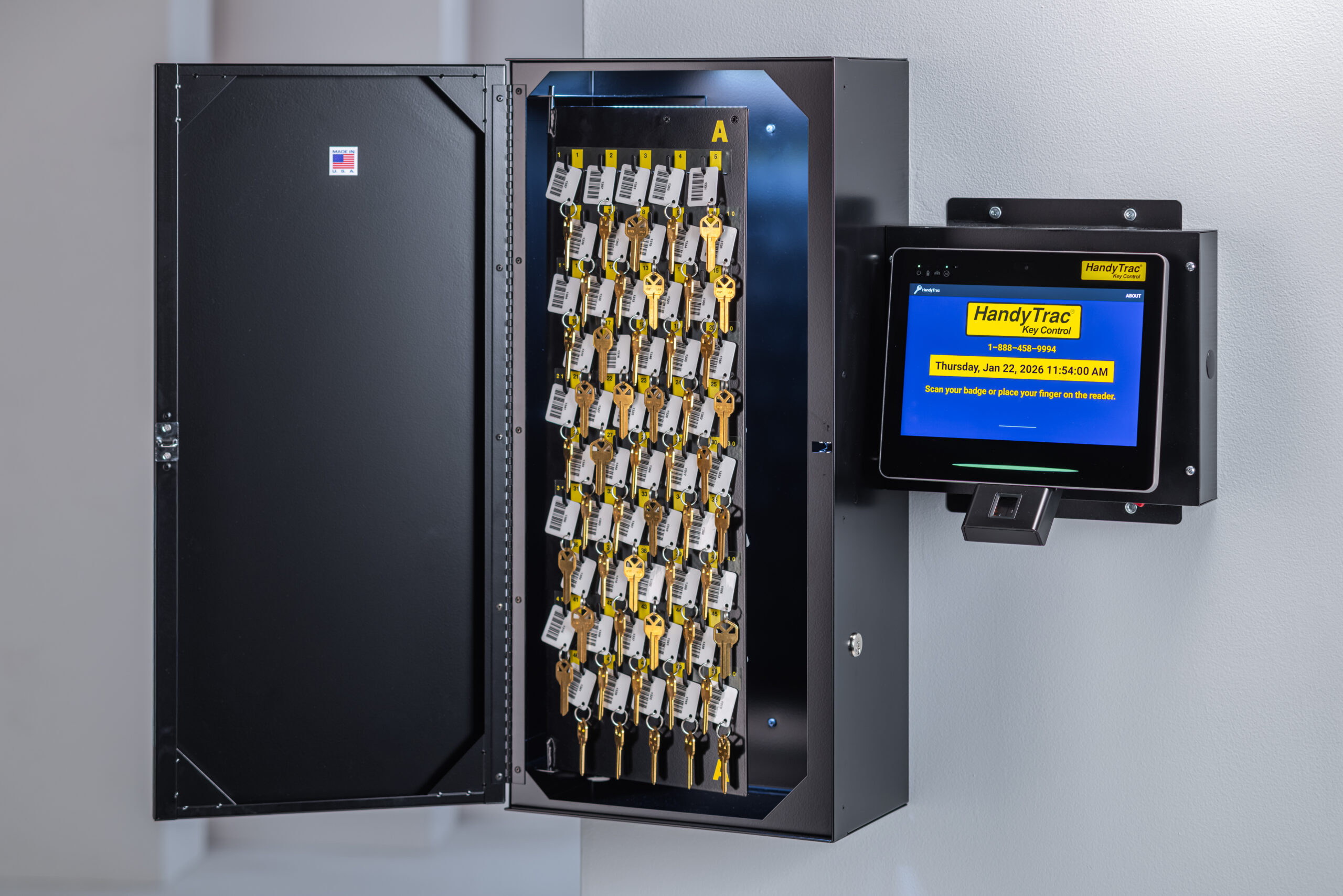
Electronic key control systems automate the process of securing and tracking physical keys.
These systems digitally record key activity and often include:
- Employee login authentication
- Audit trails
- Real-time reporting
- Key checkout history
- Notifications and alerts
- Restricted employee permissions
- Activity tracking by apartment or building
Electronic key control systems are widely used in multifamily housing, senior living communities, and student housing because they provide greater visibility and accountability.
How Electronic Key Control Systems Work
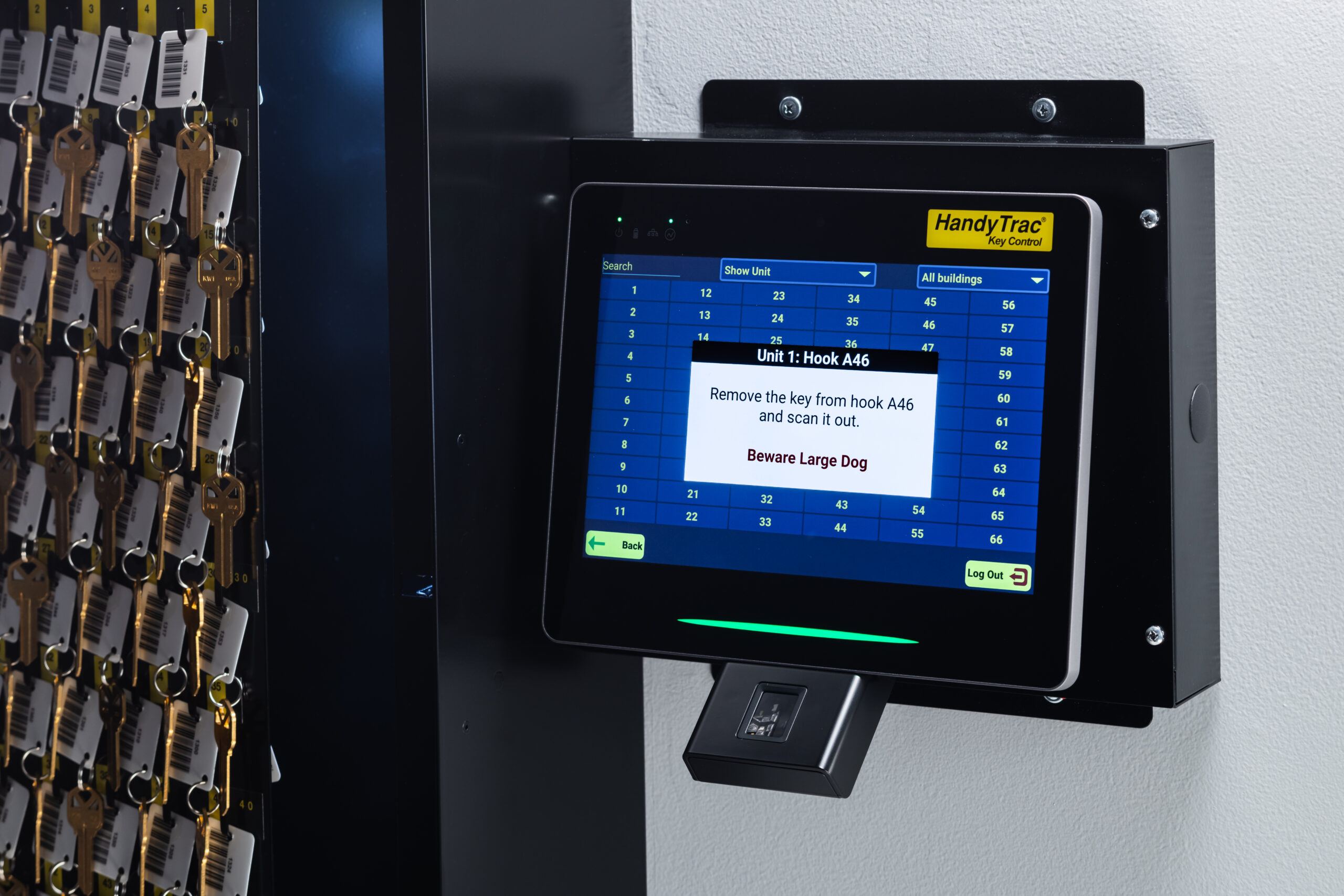
Electronic key control systems store keys inside a secured cabinet or controlled environment.
When an employee removes a key, the system records:
- The employee accessing the key
- The time the key was removed
- The activity or reason for access
- The apartment, building, or location associated with the key
When the key is returned, the transaction is recorded again.
This creates a detailed audit trail of key activity.
Many modern systems also allow administrators to:
- Restrict employee access
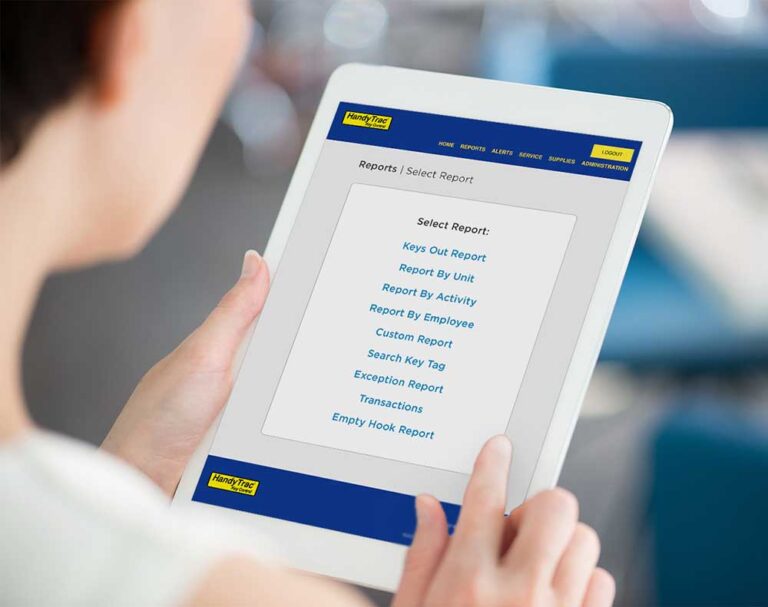
- Run instant reports
- Monitor overdue keys
- Review historical transactions
- Receive alerts and notifications
This visibility helps properties improve operational oversight.
Features Found in Modern Key Control Systems
Audit Trails
Audit trails create a permanent record of key activity.
This helps organizations identify:
- Who accessed a key
- When it was removed
- When it was returned
- Why the key was used
Audit trails are often useful for operational reviews, investigations, and compliance-related documentation.
Real-Time Reporting
Electronic key control systems can provide instant reports showing:
- Which keys are currently checked out
- Who has each key
- Overdue returns
- Historical transaction activity
This allows managers to quickly answer operational questions without searching through paper logs.
Employee Access Permissions
Not every employee needs access to every key.
Many systems allow administrators to set restrictions based on:
- Employee role
- Department
- Property
- Building
- Unit access permissions
This helps properties maintain tighter operational control.
Alerts and Notifications
Some systems can notify administrators when:
- Keys are overdue
- Cabinets are left open
These alerts help properties stay proactive instead of reactive.
Random Key Rotation
Some electronic key control systems use random key placement instead of fixed hook assignments.
Random key rotation helps reduce predictable key locations, adding another layer of security.
Key Control in Multifamily Property Management
Apartment communities often manage hundreds or thousands of keys across multiple buildings and employees.
Keys may be used daily for:
- Resident service requests
- Unit turns
- Inspections
- Vendor access
- Emergency maintenance
- Vacant apartment access
Without a clear system, it can become difficult to determine who accessed a key and when.
Many multifamily operators use electronic key control systems to improve:
- Accountability
- Operational efficiency
- Team visibility
- Key tracking consistency
- Maintenance coordination
As communities grow larger and staffing needs increase, organized key tracking becomes even more important.
Key Control for Senior Living and Student Housing
Senior living communities and universities often face unique operational challenges involving access management.
In these environments, organizations may prioritize:
- Controlled employee access
- Documentation
- Resident privacy
- Faster operational visibility
- Reduced confusion during shift changes
Structured key control systems help create more consistent procedures across teams and buildings.
Key Control vs. Access Control
Key control and access control are related but different systems.
Key Control
Key control focuses on managing physical keys.
Access Control
Access control typically refers to electronic credentials such as:
- Keycards
- Fobs
- PIN codes
- Mobile credentials
Even properties with electronic access systems often continue using physical keys for maintenance areas, backup entry, storage rooms, or master key systems.
Because of this, physical key accountability remains important for many organizations.
What Makes a Good Key Control Process?
An effective key control process typically includes:
- Secure key storage
- Clear employee procedures
- Restricted access permissions
- Consistent reporting
- Regular audits
- Real-time visibility into key activity
- Employee accountability
The best systems are usually the ones employees can use consistently without slowing down operations.
Frequently Asked Questions About Key Control
What is key control in property management?
Key control in property management refers to the process of tracking and managing physical keys used throughout a property or apartment community.
What is an electronic key control system?
An electronic key control system digitally tracks key activity, including who removed a key, when it was checked out, and when it was returned.
Why is key control important for apartment communities?
Apartment communities manage access to resident units, amenities, maintenance spaces, and vacant apartments. Key control helps improve accountability and operational visibility.
What are the benefits of electronic key control?
Benefits may include:
- Audit trails
- Real-time reporting
- Employee accountability
- Overdue key alerts
- Restricted access permissions
- Improved operational efficiency
What industries use key control systems?
Key control systems are commonly used in:
- Multifamily housing
- Senior living
- Student housing
- Healthcare
- Hospitality
- Commercial facilities
- Schools and universities
- Car dealerships
- Valet

Final Thoughts
Key control is more than simply storing keys in a cabinet. It is an operational process designed to improve accountability, visibility, and security when managing physical access.
As apartment communities, senior living operators, and student housing organizations continue prioritizing operational efficiency and accountability, many are moving toward electronic key control systems that provide real-time tracking and reporting capabilities.
For organizations managing multiple keys across multiple employees, a structured key control process can help create more consistent and organized operations.
Learn More About Electronic Key Control
HandyTrac Systems provides electronic key control systems for multifamily housing, senior living communities, student housing, commercial properties and more.
Features may include:
- Detailed audit trails
- Real-time reporting
- Random key rotation
- Unit notes and restrictions
- Employee access permissions
- Mobile app capabilities
- USA-based technical support
- Full system warranty
If your organization is evaluating ways to improve key accountability and operational visibility, you can contact HandyTrac to learn more about available solutions.