Understanding the Pros and Cons of Common Property Key Management Methods

For property management teams, maintenance departments, senior living communities, student housing operators, and anyone who actively uses keys, you know keys are more than just tools. They provide access to homes, offices, amenities, vacant units, and sensitive areas throughout a property.
How those keys are stored and managed can impact:
  • Resident safety
  • Staff accountability
  • Operational efficiency
  • Liability exposure
  • Compliance and audit readiness
Over the years, properties have used a variety of methods to manage keys. Some still rely on traditional pin boards. Others use lockboxes. More communities are transitioning to electronic key control systems for improved visibility and accountability.
Each method has advantages and limitations depending on the size of the property, staffing structure, and operational goals.
This guide breaks down the pros and cons of three common approaches:
  1. Pin boards
  2. Lockboxes
  3. Electronic key control systems

1. Pin Boards

A pin board is one of the oldest and simplest forms of key management. Keys are typically hung on hooks or pegs inside a cabinet or secured room.

Pros of Pin Boards

Simple and inexpensive

Pin boards are generally low-cost and easy to install. Many properties already have them in place.

Easy visual organization

Teams can quickly see where keys belong and whether a hook is empty.

No technology requirements

There is no software, internet connection, or user training needed beyond basic procedures.

Works for very small operations

For smaller properties with limited staff and low turnover, a basic board may feel sufficient.

Cons of Pin Boards

Limited accountability

Most pin boards rely on manual sign-out sheets or verbal communication. If a key goes missing, it may be difficult to determine:
  • Who had the key
  • When it was removed
  • Why was it checked out
  • Whether it was returned properly

Higher security risk

Anyone with physical access to the cabinet or room may be able to access keys.

Human error

Paper logs can be forgotten, incomplete, or inaccurate. Staff may unintentionally skip procedures during busy periods.

Difficult to scale

As portfolios grow, managing hundreds of keys manually becomes increasingly difficult.

Limited reporting

Pin boards do not provide audit trails, overdue alerts, or automated reporting.

2. Lockboxes

Lockboxes are another common option. These systems typically use combination locks, keypad access, or coded compartments to secure keys.

More secure than open boards

Keys are typically enclosed behind locked compartments rather than being openly accessible.

Moderate cost

Lockboxes are often more affordable than full electronic key management systems.

Portable options available

Some lockboxes can be mounted in multiple locations or used temporarily for vendors and contractors.

Familiar process

Many maintenance and leasing teams are already comfortable using lockboxes.

Cons of Lockboxes

Shared codes can reduce security

If multiple employees know the same access code, accountability can become unclear.

Limited tracking

Many traditional lockboxes do not automatically track:
  • User identity
  • Exact checkout time
  • Return time
  • Reason for access

Manual administration

Codes may need to be updated regularly, especially after staffing changes.

Difficult reporting

Some lockbox systems still rely heavily on manual oversight and documentation.

Potential for inconsistent procedures

Without strong operational policies, keys may still be left unsecured or improperly returned.

3. Electronic Key Control Systems

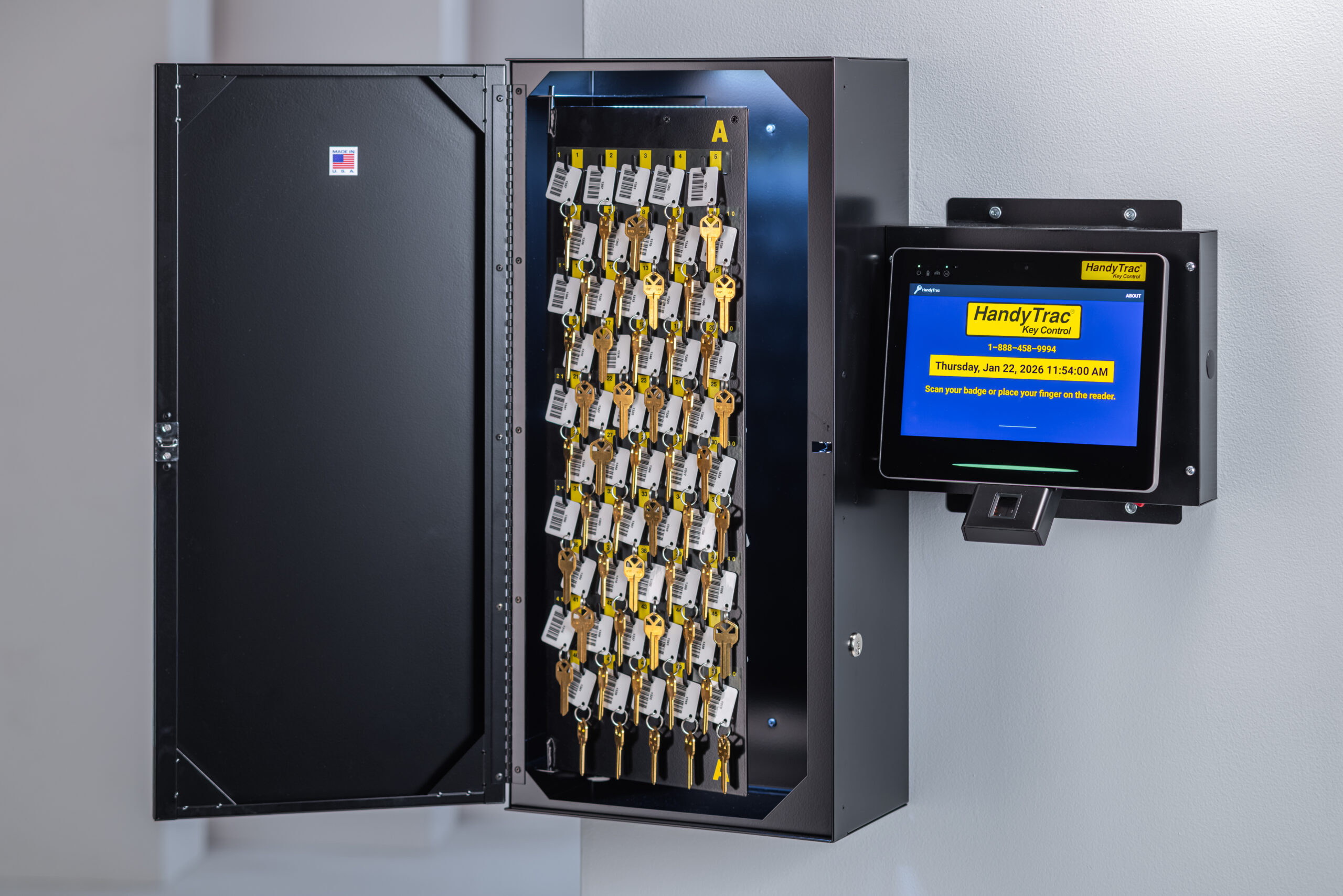
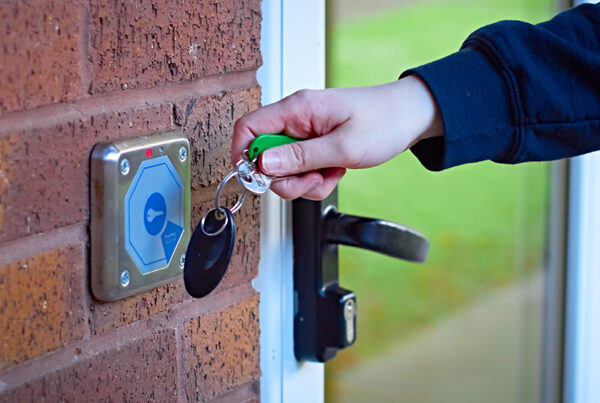
Electronic key control systems use software, user authentication, and automated tracking to manage physical keys. Many systems use PINs, badges, or biometrics to identify users before keys are released.

Pros of Electronic Key Control

Improved accountability

Electronic systems automatically track:
  • Who removed a key
  • When it was checked out
  • Why it was accessed
  • When it was returned
This creates a clear audit trail for management teams.

Increased security

Many systems restrict access based on user permissions and roles. Some also use biometric fingerprint verification or badge authentication.

Faster reporting

Managers can quickly run reports on:
  • Keys currently out
  • Overdue keys
  • Employee activity
  • Access history

Operational efficiency

Features like random key rotation, one-touch building pulls, and automated alerts can help reduce administrative workload.

Better scalability

Electronic systems are often better suited for large portfolios, multi-site operations, student housing, and senior living communities managing hundreds of keys.

Reduced reliance on paper logs

Automated tracking minimizes manual paperwork and helps standardize procedures across teams.

Cons of Electronic Key Control

Higher upfront investment

Electronic systems generally cost more initially than traditional boards or basic lockboxes.

Training requirements

Teams may need onboarding and process training during implementation.

Technology dependence

Like most modern systems, electronic key control relies on hardware and software functioning properly.

Not all systems are equal

Features, support, reporting capabilities, and scalability can vary significantly between providers.

Which method is best?

The right approach depends on several factors:

  • Property size
  • Number of employees
  • Resident expectations
  • Compliance requirements
  • Risk tolerance
  • Budget
  • Portfolio growth plans

A small property with limited staff may find a basic system manageable, especially when key usage is limited and operational complexity is low. However, when security, accountability, and operational visibility become priorities, electronic key control systems typically provide the strongest overall solution. Larger multifamily communities, senior living operators, student housing portfolios, and properties with frequent vendor or maintenance access often require:

Detailed audit trails
User-specific access permissions
Faster reporting
Overdue key notifications
Greater visibility into who accessed keys and when

Traditional methods like pin boards and basic lockboxes can store keys, but they often rely heavily on manual processes and shared responsibility. Electronic key control systems help reduce uncertainty by automatically tracking key activity and creating a higher level of accountability across teams.

For organizations focused on resident safety, liability reduction, compliance, and operational consistency, electronic key control generally offers the highest level of security and oversight.

No matter which method is used, clear procedures and accountability standards remain essential to maintaining secure operations.

At HandyTrac, our electronic key control systems are designed to help multifamily, senior living, student housing and other communities move beyond manual key tracking with features like biometric access, detailed audit trails, instant reporting, random key rotation, and role-based permissions. For communities focused on resident safety, operational consistency, and reducing risk, electronic key control can provide a more secure and accountable approach to managing physical keys. Reach out to receive your custom quote.