
Campus security expectations are changing across higher education. Universities are under increasing pressure to improve student safety, strengthen operational oversight, and respond more effectively to access-related incidents. As campuses become larger and more complex, many institutions are re-evaluating how physical keys are managed across residence halls, maintenance departments, administrative offices, and shared facilities. One of the biggest campus security trends in 2026 is the growing focus on key accountability and electronic key control systems.
Why Key Accountability Matters on Campus
Physical keys still play a major role in higher education environments.
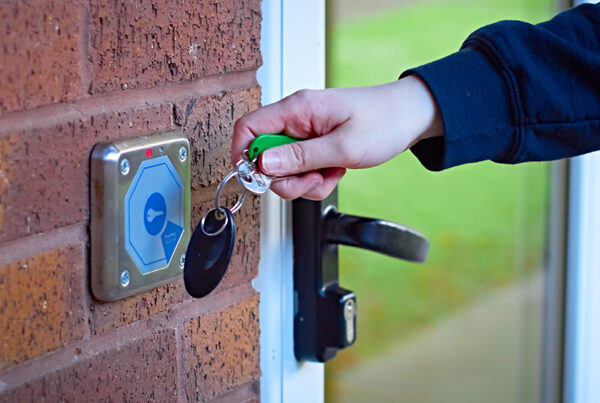
Even as universities adopt mobile credentials and electronic access systems, physical keys are still commonly used for:
- Residence halls
- Maintenance departments
- Mechanical rooms
- Utility access
- Research labs
- Storage spaces
- Campus fleet operations
- Athletic facilities
- Administrative offices
On many campuses, a single master key may provide access to dozens or even hundreds of rooms.
Without strong accountability procedures, universities can face several challenges:
- Unauthorized access risks
- Lost or duplicated keys
- Delayed incident investigations
- Increased liability exposure
- Expensive re-keying projects
- Reduced confidence from students and parents
The concern is no longer just where keys are stored. Universities increasingly want visibility into who accessed a key, when it was used, and when it was returned.

Growing Focus on Residence Hall Security
Student housing has become one of the largest areas of concern for universities.
Parents and students expect residence halls to operate with stronger security procedures than ever before. Maintenance teams, custodial staff, vendors, and emergency personnel may all require temporary access to occupied student living spaces throughout the day.
When access activity is not properly tracked, accountability gaps can emerge.
Recent incidents involving unauthorized apartment or dormitory access have increased conversations around:
- Master key management
- After-hours access
- Staff accountability
- Audit trails
- Restricted permissions
- Emergency response procedures
In many cases, universities are recognizing that traditional key sign-out sheets or manual cabinets may no longer provide enough visibility for modern campus operations.

The Shift Toward Electronic Key Control
Many universities are now moving toward electronic key control systems that provide detailed audit records and controlled access permissions.
Unlike manual systems, electronic key control can help campuses:
- Restrict who can access specific keys
- Record every key removal and return
- Create searchable audit trails
- Reduce unauthorized key access
- Improve accountability during investigations
- Receive alerts for overdue or missing keys
This level of visibility is becoming increasingly important for:
- Campus police
- Facilities departments
- Residence life teams
- Maintenance supervisors
- Risk management departments
Electronic systems also help reduce reliance on memory or handwritten logs during incident reviews.
Accountability Supports Emergency Response
Universities are also focusing more heavily on emergency preparedness and layered security strategies.
During emergencies, campuses may need to quickly determine:
- Who currently has a master key
- Whether a critical key is missing
- Which staff members accessed a building
- Whether access occurred after hours
- Which areas may have been entered
Faster access to this information can improve coordination during:
- Lockdowns
- Medical emergencies
- Maintenance incidents
- Security investigations
- Building evacuations
As campuses become larger and more operationally complex, many institutions are recognizing that accountability systems play an important role in overall campus safety planning.
Balancing Security and Accessibility
One of the biggest challenges universities face is balancing security with the open nature of campus life.
Unlike highly restricted facilities, universities are designed to encourage collaboration, movement, and accessibility. The goal is not to create an environment that feels locked down.
Instead, many schools are focusing on:
- Role-based access permissions
- Controlled master key distribution
- Better reporting visibility
- Faster incident response
- Clear accountability procedures
This allows universities to improve oversight while maintaining a welcoming campus environment.
Key Accountability Is Becoming an Operational Priority
The conversation around campus security continues to evolve.
Today, universities are increasingly evaluating not only whether buildings are secure, but also whether access activity can be verified and managed efficiently.
For many institutions, key accountability is becoming less about simple key storage and more about operational transparency, risk reduction, and visibility across campus operations.
How HandyTrac Supports Campus Key Accountability
HandyTrac Systems helps universities, student housing communities, and educational facilities improve visibility into physical key management with electronic key control solutions designed for accountability and operational efficiency.
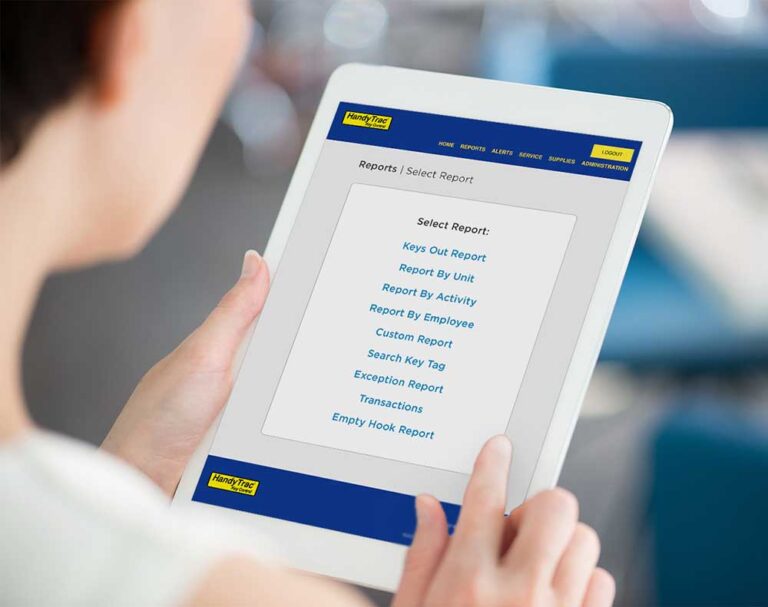
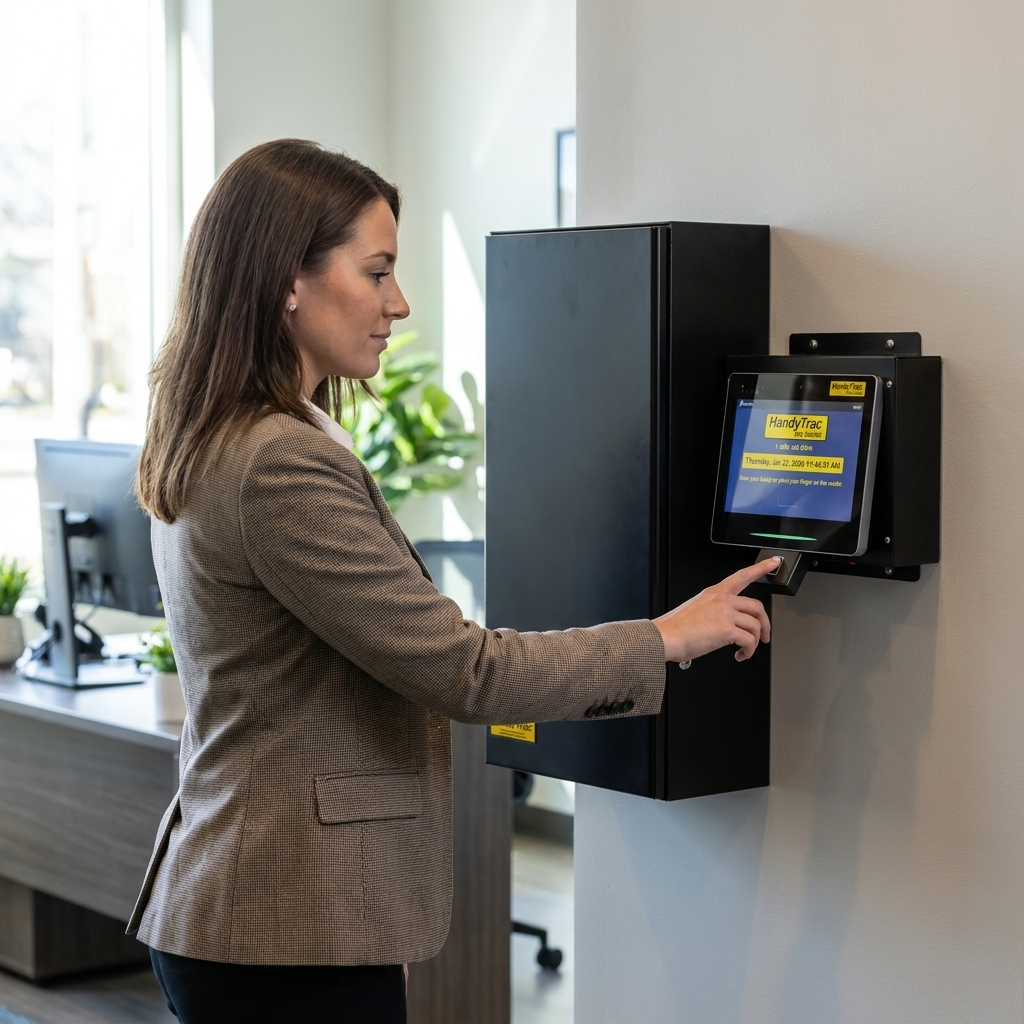
Features such as biometric access, audit trails, instant reporting, overdue key alerts, customizable permissions, and activity tracking help campus teams better manage access across residence halls, maintenance operations, administrative spaces, and shared facilities.
As universities continue to prioritize safety, transparency, and operational oversight, electronic key control can help provide the accountability modern campuses increasingly expect.