An electronic key control system can save your team time before a repair even starts. When a technician needs a unit key to fix a leaking sink, a blank line in the checkout log can hold up the job. The technician waits while someone in the leasing office tracks down the key. With HandyTrac, the leasing team can see who last checked it out and when.
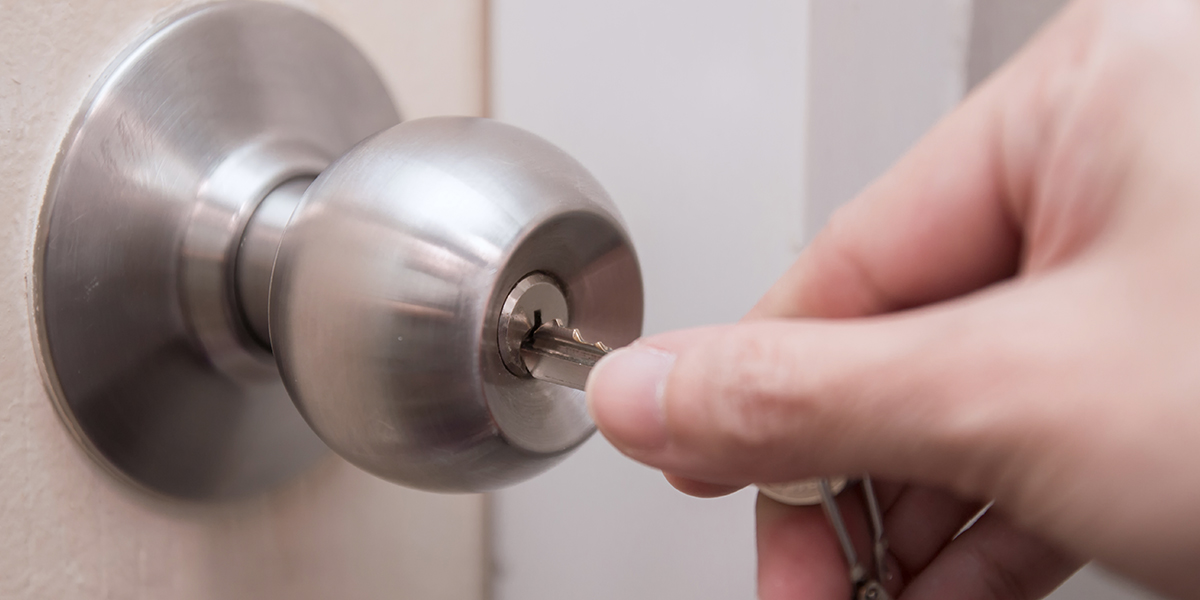
What does manual key control cost your property?
Suppose your leasing and maintenance teams spend a combined 10 minutes each workday searching for keys. Over 240 workdays, that adds up to 40 staff hours. At an assumed labor cost of $30 an hour, that’s $1,200 a year spent looking for keys. That figure covers search time alone.
Try tracking searches for one typical week. If a technician and a leasing agent each spend five minutes looking for the same key, log ten minutes. Multiply your weekly search hours by your team’s hourly labor cost and the number of weeks it works each year. For a wage benchmark, see the U.S. Bureau of Labor Statistics pay data for maintenance workers.
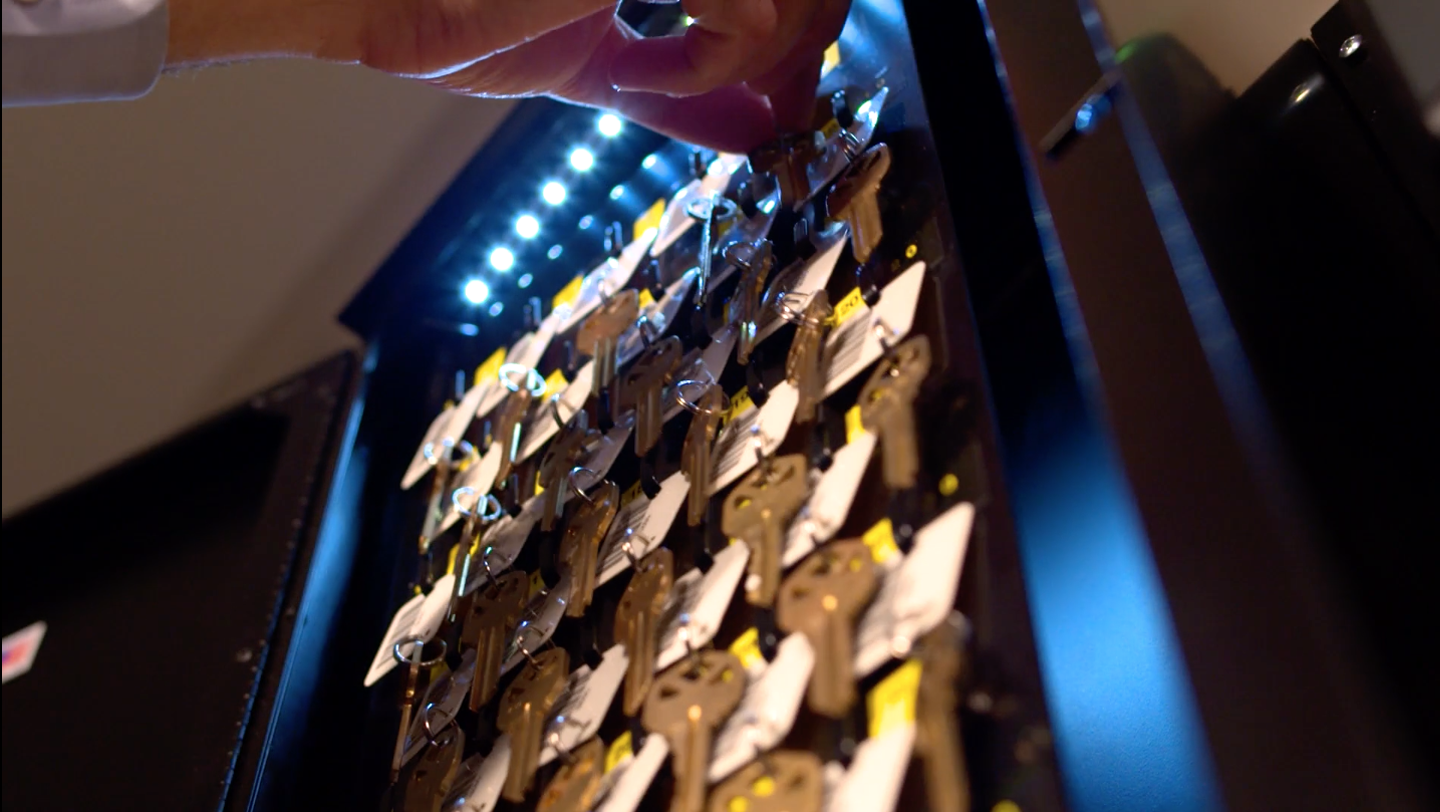
How an electronic key control system helps at shift change
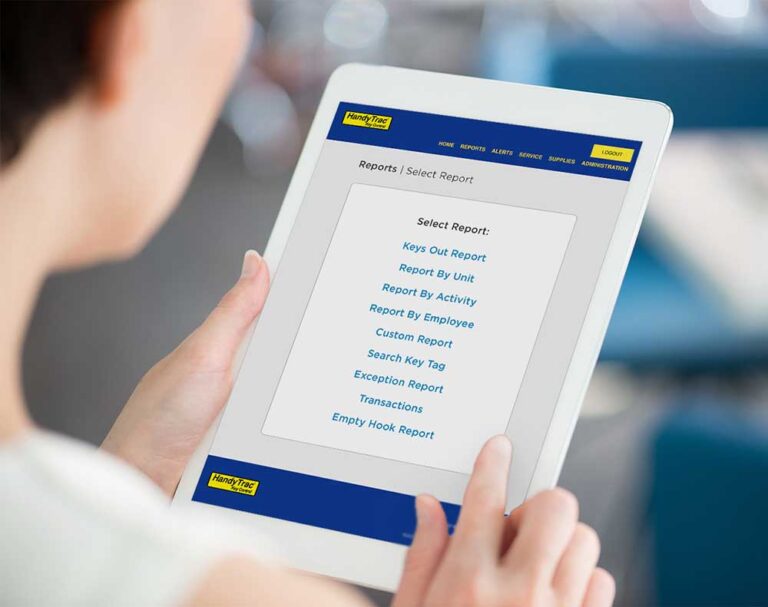
HandyTrac’s Keys Out report shows which keys are out, who checked them out, and why. A manager can schedule a daily summary in the HandyTrac app for a few minutes before closing. If a unit key is still out, the manager can open the report and reach the employee while they’re still on site.
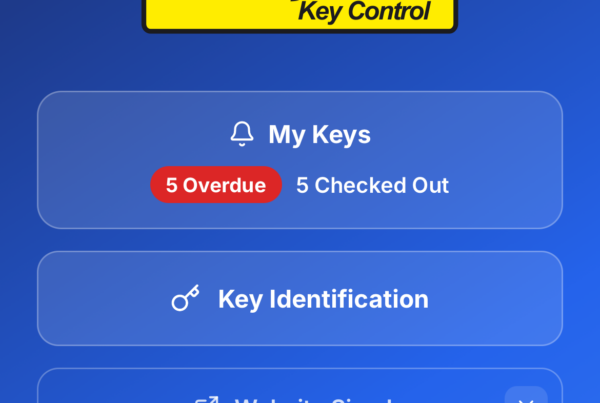
Overdue key alerts can help earlier in the day, too. Managers choose how long a key can be out before they receive a notification. If a morning repair runs into the afternoon, the manager knows who to contact before sending the next technician to pick up the key. See how to set up alerts in the HandyTrac app.
Identify rekeying expenses you could avoid
If an overdue key never comes back, the expense can go beyond the time spent looking for it. Your maintenance team may need to rekey a resident’s door and issue replacement keys. If a locksmith handles the job, the invoice may also include a service call.
To find out what key loss has cost your community, review the past year of maintenance work orders and locksmith invoices. Include parts and staff time for jobs you handled in house. Keep routine lock changes between residents in a separate total so you can see which expenses better tracking could realistically reduce.

Keep the locks you already own
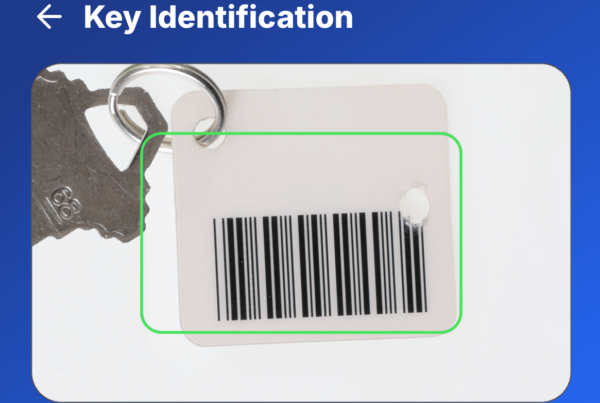
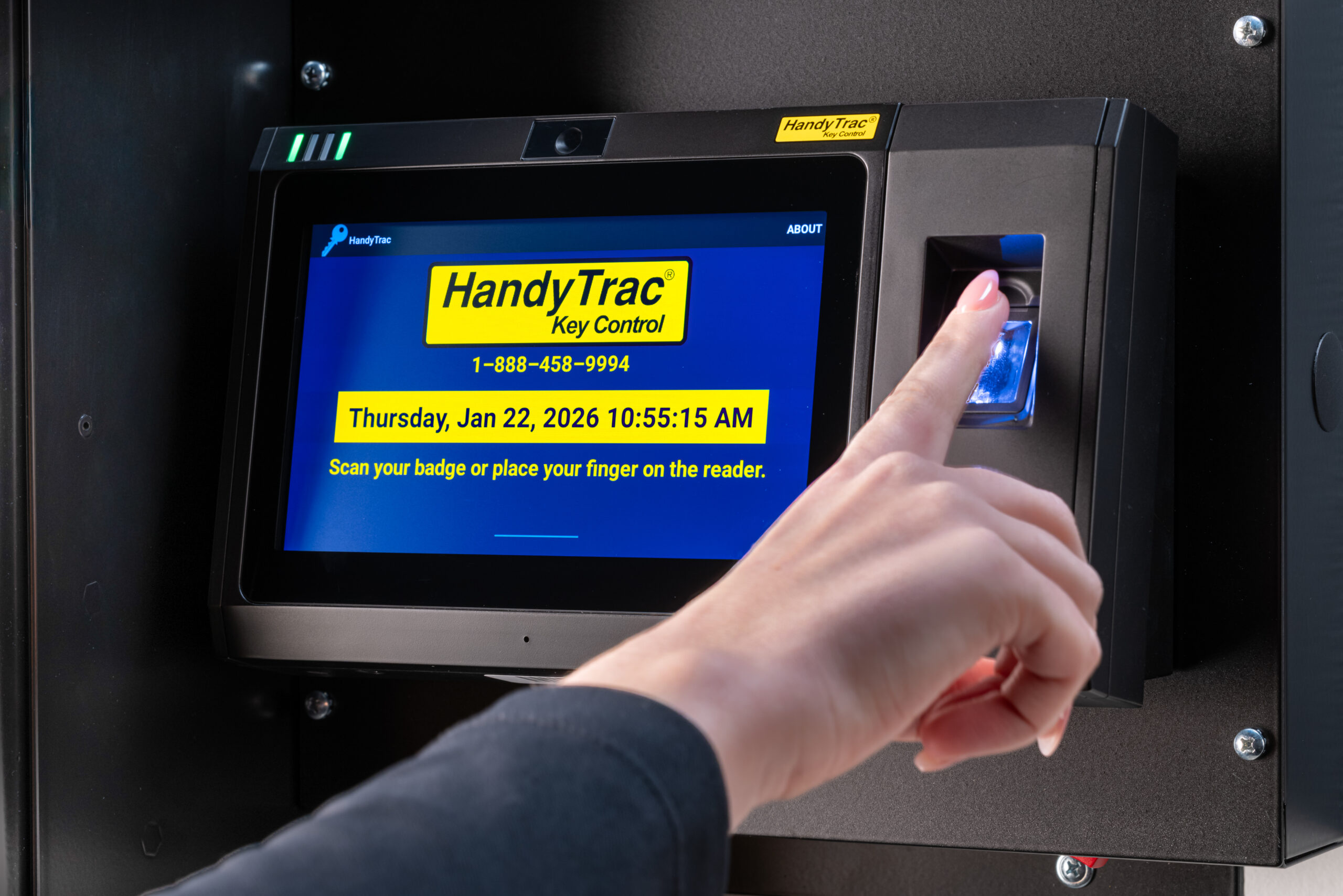
A HandyTrac electronic key control system tracks physical keys at the cabinet. Authorized employees check out the same keys they already use for apartments, storage rooms, and common areas. Your property can keep its existing door hardware, and managers can review key activity online without making a trip to the leasing office.
What to include in your budget
When budgeting for a cabinet, count the keys your team handles across the whole property. For example, a community with 80 apartment keys and 15 keys for shared spaces needs room for at least 95. HandyTrac’s Compact Cabinet holds up to 90 keys, so this property would need a standard cabinet even though it has only 80 apartments.
When you price an electronic key control system, ask for a quote that lists equipment, setup, and ongoing service costs separately. Then compare those costs with what your property could save over the same period. In the example above, cutting search time in half would free up $600 worth of staff time each year, even before you factor in any rekeying costs you might avoid.
Share that itemized quote with your tax advisor, too. If your HandyTrac purchase qualifies for a Section 179 deduction, your business may be able to deduct some or all of the equipment cost in the tax year you put the system into service.
Ready to find out which setup makes sense for your community? Compare HandyTrac systems and cabinet sizes or request a quote for your property.