
Key accountability has become a growing priority for smaller multifamily communities, manufactured housing, senior living facilities and student dwellings. Residents expect property teams to manage access responsibly, respond quickly, and maintain a clear process for who has keys, when they are used, and how they are returned.
For many smaller communities, key management has traditionally relied on basic hooks, drawers, envelopes, or manual sign-out sheets. While these methods may seem simple, they can create unnecessary risk. Missing keys, unclear handoffs, and incomplete records can lead to resident frustration, liability concerns, and added operational stress.
Today, smaller communities are looking for practical ways to improve accountability without complicating daily workflows.
Resident Expectations Are Higher
Residents want to know that their homes, mailrooms, amenities, and shared spaces are protected. When maintenance teams, vendors, or staff members need access, residents expect a professional process that limits unnecessary exposure and protects their privacy.
A reliable key control system helps property teams show that access is managed carefully and consistently.

Liability Concerns Are Driving Better Processes
Lost or untracked keys can create serious liability concerns. When a key goes missing and there is no clear record of who last withdrew it, management may face difficult questions from residents, owners, insurance providers and law enforcement.
Documented key control helps reduce uncertainty. It gives teams a stronger way to demonstrate responsible procedures and respond quickly when an issue arises.
Staffing Challenges Make Consistency Essential
Smaller communities often operate with lean teams. Property staff may manage multiple responsibilities, work across several properties, or rely on part-time employees and vendors. In these environments, informal key handling can easily break down.
A consistent key management process makes it easier for everyone to follow the same steps, even during busy days, staff turnover, emergencies, or after-hours access needs.

Unit Notes Add Important Context
Unit notes can help property teams manage access with more accuracy and care. Notes may include special entry instructions, resident preferences, maintenance history, pet information, vendor restrictions, or reminders about locks, gates, sheds, storage areas, or shared access points.
For manufactured housing communities, apartment properties, and other smaller sites, these details can be especially helpful when staff members are covering multiple units or responding to service requests quickly. Clear unit notes reduce guesswork, support better communication, and help teams maintain a more consistent resident experience.
Audit Trails Support Better Oversight
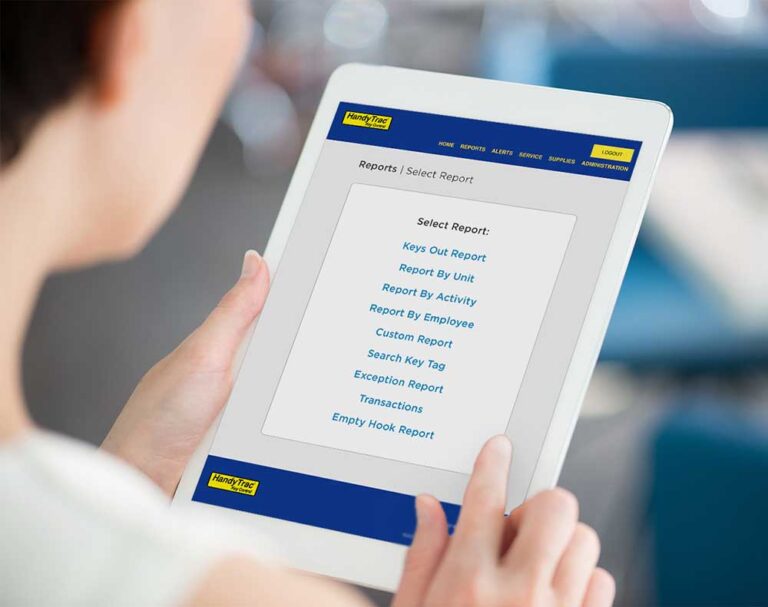
Audit trails are becoming increasingly important in property operations. Knowing when a key was removed, who removed it, and when it was returned helps managers identify patterns, resolve questions, and maintain better oversight.
Even a simple improvement in tracking can reduce confusion and help smaller communities operate with more confidence.
Modernization Does Not Have to Be Complicated
Modern property operations are moving toward better documentation, stronger security practices, and more transparent workflows. For small communities, modernization does not always require large, complex systems. Often, the right solution is a practical tool that improves accountability without adding unnecessary administrative work.
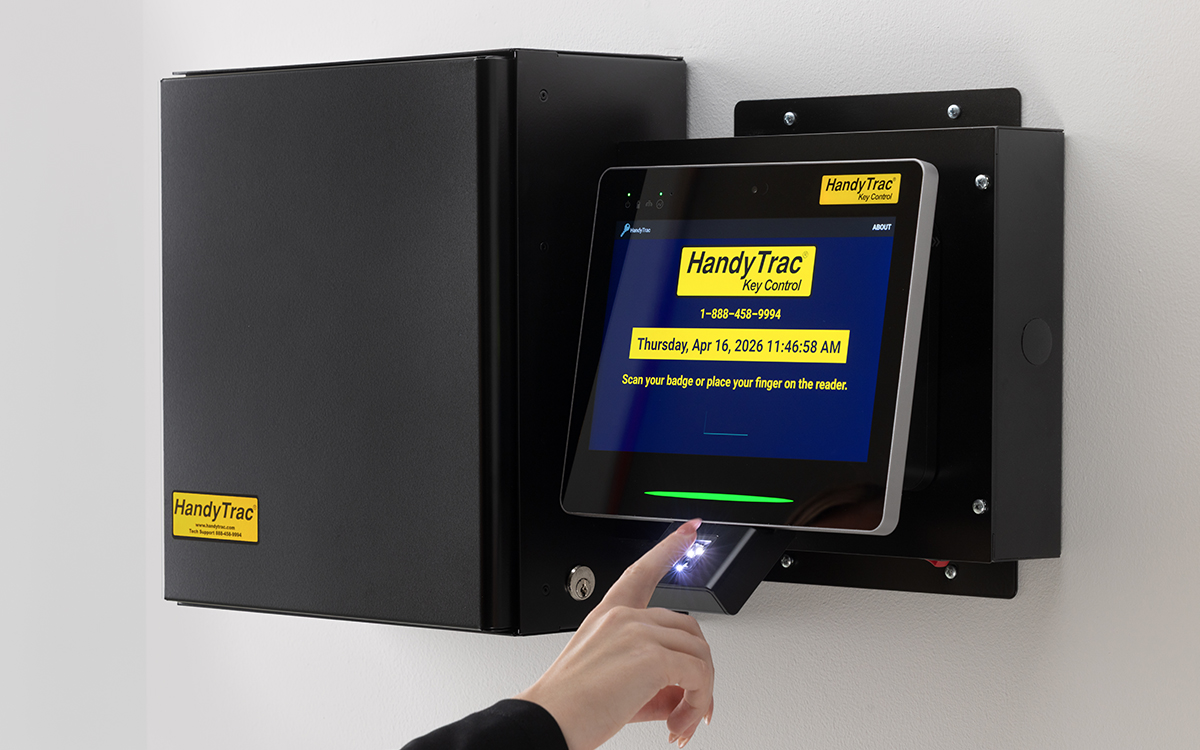
HandyTrac’s Compact key cabinet can fit naturally into property operations by giving teams a dedicated, organized place to store and track keys. With support for up to 90 keys, it can help smaller communities manage resident units, amenities, maintenance areas, and shared spaces more consistently. It also supports cleaner handoffs, improved audit trails, and a more professional process for daily key management without overwhelming a smaller staff or budget.
To learn more about the Compact key cabinet, contact us today.