Keys are one of the most sensitive assets in property operations, which makes key management essential. From apartment units and maintenance shops to amenity spaces and master key systems, property teams handle keys every day. Without a reliable process in place, communities can face lost keys, security concerns, operational delays, and accountability issues.
That’s where key management comes in.
Key management is the process of securing, tracking, and controlling access to physical keys within a property or organization. In multifamily housing, senior living communities, student housing, and commercial properties, effective key management helps teams improve accountability, strengthen security, and streamline day-to-day operations.
As property operations continue evolving, many communities are moving away from manual key tracking methods and adopting electronic key management systems that provide real-time visibility and audit trails.
Key management refers to the procedures and systems used to:
- Store keys securely
- Track who removes keys
- Monitor when keys are returned
- Restrict unauthorized access
- Maintain accountability across staff and vendors
The goal of key management is to ensure that keys are always protected and that properties know exactly who has access to them at any given time.
In apartment communities, this may include:
- Unit keys
- Master keys
- Amenity space keys
- Maintenance room keys
- Vacant unit access
- Vendor access keys
Without proper key control procedures, even a single missing key can create security concerns and operational disruptions.
Why Key Management Is Important
Property teams manage access to resident homes and sensitive areas every day. Because of this, maintaining accountability is critical.
Strong key management practices can help properties:
- Improve resident safety
- Reduce lost or misplaced keys
- Increase employee accountability
- Create audit trails for investigations
- Support operational consistency
- Reduce time spent searching for keys
- Help document access activity
For multifamily communities, key accountability is especially important because maintenance teams, leasing staff, vendors, and contractors may all require temporary access throughout the day.
Without a structured system, it can become difficult to answer important questions like:
- Who last checked out this key?
- Why was the key removed?
- When was it returned?
- Is the key currently overdue?
These gaps can create unnecessary risk and confusion for property teams.

Common Problems With Manual Key Tracking
Many properties still rely on manual key tracking methods, such as:
- Pegboards
- Lockboxes
- Paper sign-out sheets
- Shared drawers
- Spreadsheets
While these methods may appear simple, they often create operational challenges as properties grow.
Limited Accountability
Paper logs and manual systems depend heavily on employees remembering to sign keys in and out accurately.
Lost or Missing Keys
Without automated tracking, missing keys can go unnoticed for extended periods of time.
Time-Consuming Processes
Staff may spend valuable time searching for keys or verifying who last accessed them.
Reduced Visibility
Managers may not have real-time information about which keys are currently checked out.
Security Concerns
Manual systems can make it easier for unauthorized access or inconsistent procedures to occur.
As staffing changes and operational demands increase, many communities find that manual systems become harder to manage effectively.
Types of Key Management Systems
There are several approaches to key management used across the property management industry.
Manual Key Tracking Systems
Manual systems typically include pegboards, notebooks, or paper sign-out sheets.
These systems are low-cost initially but often require significant staff discipline and oversight to maintain accuracy.
They may work for very small properties with limited key usage, but they can become difficult to scale for larger operations.
Lockboxes and Basic Secure Storage
Some communities use lockboxes or locked cabinets to restrict physical access to keys.
While this adds an extra layer of protection, many lockboxes still lack:
- Detailed audit trails
- Employee-level accountability
- Reporting capabilities
- Real-time visibility
Electronic Key Management Systems
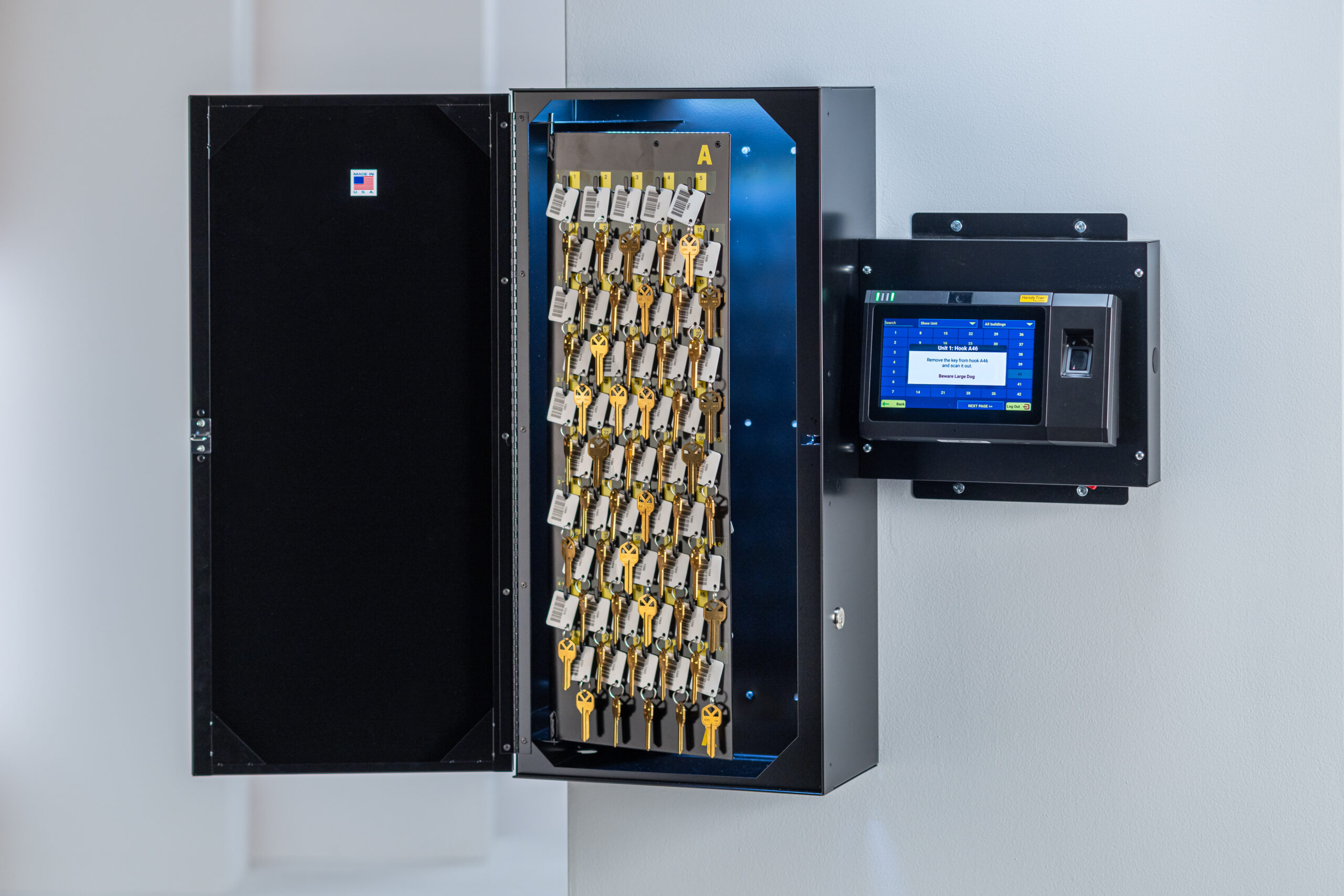
Electronic key management systems use secure cabinets and software to automate key tracking and accountability.
These systems can provide:
- Employee access tracking
- Audit trails
- Key checkout history
- Overdue key alerts
- User permissions
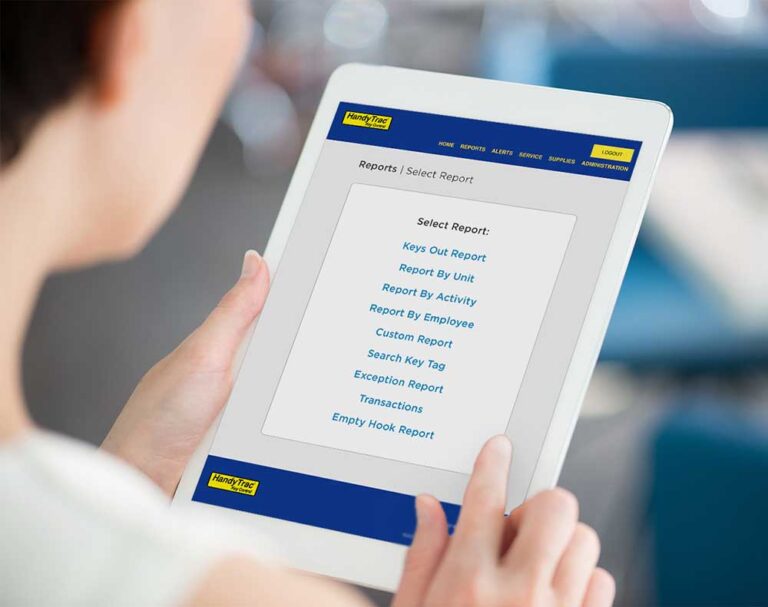
- Real-time reporting
- Restricted key access
- Secure authentication methods
Many multifamily communities are adopting electronic key control systems because they help reduce manual processes while improving visibility into key activity.
Electronic Key Management for Multifamily Housing
In multifamily housing, keys often change hands multiple times throughout the day. Leasing staff, maintenance technicians, managers, and vendors may all require temporary access to units and restricted areas.
Electronic key management systems help organize and document these transactions more efficiently.
Modern systems may include features such as:
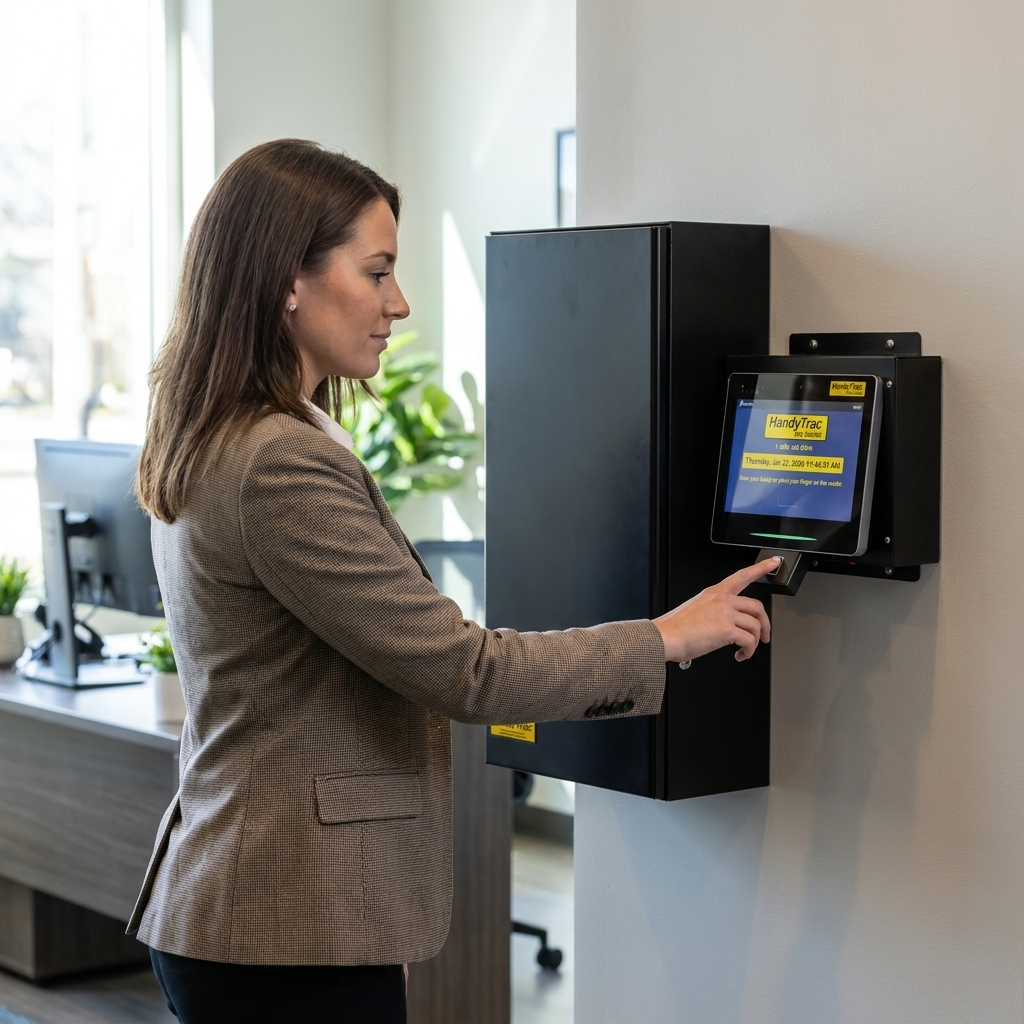
- Touchscreen interfaces
- Employee badge access
- PIN authentication
- Biometric fingerprint access
- Audit trail reporting
- Unit notes and restrictions
- Random key rotation
- Mobile app capabilities
- Real-time notifications
For growing apartment communities, these tools can help standardize key control procedures across teams and properties.
How Audit Trails Improve Accountability
One of the biggest advantages of electronic key management is the ability to create detailed audit trails.
An audit trail records:
- Who removed a key
- When the key was removed
- Why was the key checked out
- When the key was returned
This information can help property managers quickly review activity and investigate discrepancies if questions arise.
For example, if a resident asks who accessed their apartment during a maintenance visit, management may be able to review the system history instead of relying on handwritten logs or employee memory.
Detailed reporting can also help properties improve operational consistency and reduce confusion across teams.

Benefits of Modern Key Management Systems
As property operations become more complex, many communities are looking for ways to improve efficiency while maintaining strong security procedures.
Modern key management systems can help by:
- Improving accountability
- Reducing manual tracking
- Increasing visibility into key activity
- Helping properties respond faster to missing keys
- Supporting operational consistency
- Reducing time spent searching for keys
- Organizing access permissions
- Improving reporting capabilities
For larger multifamily communities, senior living operators, and student housing environments, electronic key control can help teams manage higher key volume more effectively.
Choosing the Right Key Management Solution
The right key management approach depends on several factors, including:
- Property size
- Number of employees
- Key volume
- Operational complexity
- Security requirements
- Reporting needs
- Portfolio growth plans
Smaller communities may use basic tracking systems successfully, while larger operations often require more advanced visibility and accountability tools.
When evaluating key management systems, many property managers look for:
- Secure authentication methods
- Audit trail reporting
- Ease of use
- Scalability
- Real-time notifications
- Mobile access
- Support and warranty coverage
The most important factor is maintaining consistent key control procedures that support both security and operational efficiency.
Final Thoughts
Key management is about more than simply storing keys. It is a critical part of property operations, resident security, and employee accountability.
As multifamily communities continue modernizing operations, electronic key management systems are becoming increasingly common because they help properties track access activity more efficiently and consistently.
For communities looking to improve key accountability, modern electronic key control systems can provide greater visibility into who accessed keys, when they were used, and how access is managed across the property.
HandyTrac provides electronic key management systems designed for multifamily housing, senior living communities, and student housing environments. Features such as audit trails, employee access tracking, random key rotation, and secure authentication options help properties improve accountability while streamlining daily operations.